Author Archives: george

WILD CARD WEEKEND 2026

No. 5 Los Angeles Rams at No. 4 Carolina Panthers, 4:30 p.m. ET, FOX

No. 7 Green Bay Packers at No. 2 Chicago Bears, 8:00 p.m. ET, Amazon Prime Video

The LA Rams are favored by 10 points over the Carolina Panthers–even though the Panthers beat the Rams earlier in the season.

The Packers and the Bears both won a game against each other so the Bears being 1 1/2 point favorites over the Packers makes some sense since the Bears are home for this game.

I’m picking the Rams and Packers to win. How about you? Who do you think will win these Playoff games?


FRIDAY’S FORGOTTEN BOOKS #887: GEORGE STEINER: A READER, NOSTALGIA FOR THE ABSOLUTE, and WHAT IS COMPARATIVE LITERATURE?

I’ve been reading George Steiner (April 23, 1929 – February 3, 2020) for decades. Steiner has been called Polymath for the range of his essays and reviews. Take WHAT IS COMPARATIVE LITERATURE? (1994) for an example. “At best, the major writer adds graffiti to the walls of the already extant house of language.” (p. 3).

Steiner dabbles in Popular Culture, too. “The episode of avenging execution in Mickey Spillane’s I, The Jury may derive its undeniable power from that ritual slaying of the priest-king…” (p. 13)

Some may argue that Steiner’s topics like Marxism, Levi-Strauss, and Freud are obsolete today. But Steiner’s criticisms are still valid: “The Marxist analysis of history has shown itself to be one-sided and often grossly in violation of evidence.” (p. 10) “Freud sought to banish the archaic shadows of irrationalism, of faith in the supernatural. His promise, like that of Marx, was a promise of light. It has not been fulfilled.” (p. 23).

“Here are three great mythologies devised to explain the history of man, the nature of man, and our future. That of Marx ends in a promise of redemption, that of Freud in a vision of homecoming to death; that of Levi-Strauss in an apocalypse brought on by human evil and human waste.” (p. 37)

Steiner’s critique of the current attitude towards Truth speaks volumes: “Truth…is in fact a complex variable dependent on political social aims. Different classes have different truths.” (p. 54) Or, as the saying goes: “Truth isn’t a solid, it’s a liquid.”

George Steiner: A Reader was published in 1984. Steiner went on to write much more in the following decades but this volume does collect the best of Steiner’s early writings. You’ll find essays where Steiner takes a Deep Dive into Literature, Politics, and Culture. If you’re looking for a brilliant writer with sharp insights into difficult subjects with eloquent writing and unique perceptions, Steiner’s work tackles literary texts and cultural issues with dazzling skill. GRADE: A (for all three books)

TABLE OF CONTENTS:

Introductionp. 7
The Critical Act
To Civilize our Gentlemen (1965; from Language and Silence)p. 25
Marxism and the Literary Critic (1958; from Language and Silence)p. 37
Georg Lukacs and His Devil’s Pact (1960; from Language and Silence)p. 54
‘Critic’/’Reader’ (1979; from New Literary History)p. 67
Readings
Nineteenth-Century America and Russia (1959; from Tolstoy or Dostoevsky)p. 101
Homer and Tolstoy (1959; from Tolstoy or Dostoevsky)p. 109
Tolstoy’s Immanence in the World (1959; from Tolstoy or Dostoevsky)p. 118
The Final Comparison (1959; from Tolstoy or Dostoevsky)p. 132
Racine (1961; from The Death of Tragedy)p. 136
Verse in Tragedy (1961; from The Death of Tragedy)p. 154
Tragedy and Myth (1961; from The Death of Tragedy)p. 159
Epilogue (1961; from The Death of Tragedy)p. 165
Obsessions
A Death of Kings (1968; from Extraterritorial)p. 171
The Cleric of Treason (1980; from the New Yorker, 8 December)p. 178
Matters German
The Hollow Miracle (1959; from Language and Silence)p. 207
A Kind of Survivor (1965; from Language and Silence)p. 220
Schoenberg’s ‘Moses und Aron’ (1965; from Language and Silence)p. 234
Postscript (1966; from Language and Silence)p. 246
Heidegger’s Silence (1980; from Martin Heidegger)p. 258
Lieber’s Lament (1979; from The Portage to San Cristobal of A.H.)p. 266
The Defence of A.H. (1979; from The Portage to San Cristobal of A.H.)p. 272
Language and Culture
The Retreat from the Word (1961; from Language and Silence)p. 283
Night Words (1965; from Language and Silence)p. 305
Eros and Idiom (1975; from On Difficulty)p. 314
The Distribution of Discourse (1978; from On Difficulty)p. 345
Speech as Translation (1975; from After Babel)p. 369
Privacies of Speech (1975; from After Babel)p. 385
Creative Falsehood (1975; from After Babel)p. 398
Theme and Variations (1975; from After Babel)p. 410
English Tomorrow (1975; from After Babel)p. 420
Future Literacies (1971; from In Bluebeard’s Castle)p. 423
Table of Contents provided by Syndetics. All Rights Reserved.

NOSTALGIA FOR THE ABSOLUTE (1997) TABLE OF CONTENTS:

The Secular Messiahs — 1

Voyages into the Interior — 12

The Lost Garden — 24

The Little Green Men — 38

Does the Truth Have a Future? — 50

BACKBEATS: A HISTORY OF ROCK AND ROLL IN FIFTEEN DRUMMERS By John Lingan and MAX WEINBERG PRESENTS: LET THERE BE DRUMS (VOLUMES 1-3)

John Lingan provides a guided tour to the best drummers in Rock ‘n Roll. Hal Blaine played drums for the legendary Phil Spector. “Spector loved ear-bleeding volume, but he also wanted his songs to sound perfect on a tinny transistor speaker… The “Be My Baby” beat became instantly recognizable and endless borrowed… His collaborations with Spector made Hal Blaine a new kind of studio-bound celebrity.” (p. 26-27)

“As the go-to drummer for Stax in its glory era, Al Jackson, Jr. similarly played on one soul triumph after another– “Soul Man,” “In the Midnight Hour,” “Walking’ the Dog,” “Born Under a Bad Sign”–and his approach helped distinguish Memphis’s sonic identity from Detroit’s. (p. 41)

I was surprised to learn Ringo Starr was a left-handed drummer, which explains some of the unique drumming that helped The Beatles to craft their sound. “Tumbling Dice,” for example, begins with a quick guitar lick, then Charlie Watts nails two rifle-shot snare hits and the full band slams into a soft, strutting groove.” (p. 72). Charlie Watts is my favorite rock drummer and you only have to hear his impact on “Tumbling Dice”–my favorite Rolling Stones song–to appreciate his talent.

“Bernard “Pretty” Purdie nearly played the entirety of 1976’s The Royal Scam, was was also Steely Dan’s most stylistically diverse record, encompassing disco (“The Fez”), reggae (“Haitian Divorce”), and long multipart ballads like the title track.” (p.169)

John Lingan’s tour through the works of the greatest drummers, made me want to re-listen to many of the great songs I grew up with and focus on the drumming. I suspect this might also be your reaction to this wonderful book! And if you want to listen to those great songs of the 1950s, 1960s, and 1970s, take a listen to the Max Weinberg (the drummer of The E-Street Band) set of CDs that capture the great drumming of three decades! Do you have a favorite drummer? GRADE: A (for everything!)

TABLE OF CONTENTS:

Glossary — xi

Introduction: We are a part of the Rhythm Nation — xv

Sam Lay: integrating the blues — 1

Hal Blaine: the sound of California — 19

Al Jackson Jr.: from Memphis to the Love Crowd — 35

Ringo Starr: the biggest fool that ever hit the big time — 53

Charlie Watts: let it loose — 71

Kenny Buttrey: beyond the Nashville sound — 83

Moe Tucker: louder than anything — 97

Clyde Stubblefield: don’t turn it loose — 113

John Bonham: power and presence — 131

Bernard “Pretty” Purdie: the sweetener — 149

Earl Hudson: this is hardcore — 165

Tony Thompson: the biggest beat — 179

Dave Lombardo: going to extremes — 193

Dave Grohl: one big rip-off! — 209

Questlove: man vs. machine — 225

Acknowledgements –– 241

Notes — 243

Sources — 251

Index — 259

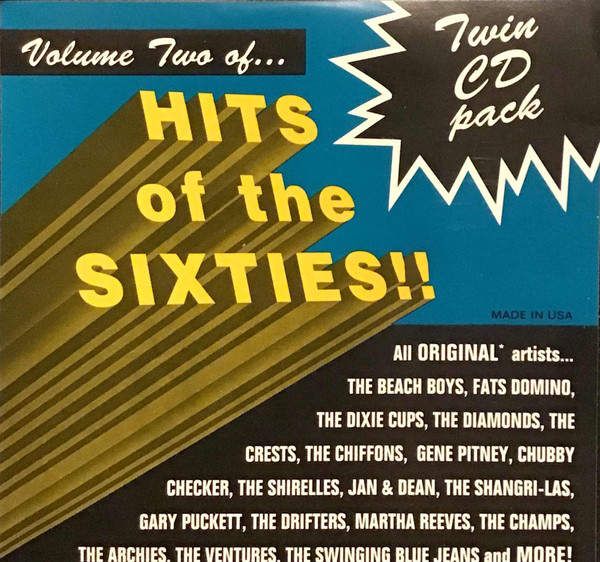
Max Weinberg Presents: Let There Be Drums! Vol. 1: The ’50s

TRACK LIST:

Sandy NelsonLet There Be Drums2:23
Bill Haley And His Comets(We’re Gonna) Rock Around The Clock2:11
Bo DiddleyBo Diddley2:29
Little RichardLong Tall Sally2:09
Preston EppsBongo Rock2:07
Gene Vincent & His Blue CapsBe-Bop-A-Lula2:36
Fats DominoI’m Walkin’2:10
Buddy HollyPeggy Sue2:30
Chuck BerryRock & Roll Music2:32
Cozy ColeTopsy II3:36
Jerry Lee LewisHigh School Confidential2:29
Johnny And The HurricanesRed River Rock2:10
The CoastersYakety Yak1:52
Johnny HortonThe Battle Of New Orleans2:32
Dion (3)The Wanderer2:48
Fats DominoThe Fat Man2:37
Ray CharlesWhat’d I Say (Part I)3:11
Sandy NelsonTeen Beat2:23

Max Weinberg Presents: Let There Be Drums! Vol. 2: The ’60s

TRACK LIST:

1The VenturesWalk—Don’t Run Drums – Howie JohnsonProducer – Bob ReisdorffWritten-By – John Smith*2:06
2Roy OrbisonRunning ScaredDrums – Murray “Buddy” Harman, Jr.*Producer – Fred FosterWritten-By – Joe MelsonRoy Orbison2:13
3Percy SledgeWhen A Man Loves A Woman Drums – Roger HawkinsProducer – Marlin GreeneQuin IvyWritten-By – Andrew Wright (4)Calvin Lewis2:58
4The SurfarisWipe OutProducer – Paul BuffWritten-By – Robert Berryhill*, James Fuller*, Patrick ConnollyWritten-By, Drums – Ron Wilson (5)2:38
5Creedence Clearwater RevivalBorn On The Bayou Drums – Doug CliffordWritten-By, Producer – John Fogerty5:13
6Aretha Franklin(Sweet Sweet Baby) Since You’ve Been GoneDrums – Roger HawkinsProducer – Jerry WexlerWritten-By – Aretha FranklinTed White2:25
7Moby GrapeOmaha Drums – Don StevensonProducer – David RubinsonWritten-By – Skip Spence*2:22
8The RascalsPeople Got To Be Free Drums – Dino DanelliProducer – Arif MardinThe RascalsWritten-By – Eddie BrigatiFelix Cavaliere3:01
9The Isley BrothersTwist And ShoutDrums – Gary Chester (2)Producer – Ilene BernsWritten-By – Burt Russell*, Phil Medley2:30
10SteppenwolfBorn To Be Wild Drums – Jerry EdmontonProducer – Gabriel MeklerWritten-By – Mars Bonfire3:30
11Booker T & The MG’sGreen OnionsProducer – Jim StewartWritten-By – Booker T. JonesLewis SteinbergSteve CropperWritten-By, Drums – Al Jackson Jr.2:55
12Mitch Ryder & The Detroit WheelsJenny Take A Ride! Drums – John “Bee” Badanjek*Written-By – Enotris JohnsonRichard PennimanWritten-By, Producer – Bob Crewe3:23
13The BandUp On Cripple Creek Drums – Levon HelmProducer – John SimonRobbie RobertsonWritten-By – Jaime Robert Robertson*3:34
14Sam & DaveSoul Man Drums – Al Jackson, Jr.*Producer – Isaac Hayes & David Porter*Written-By – Isaac Hayes/David Porter*2:39
15The HolliesLook Through Any Window Drums – Bobby ElliottProducer – Ron RichardsWritten-By – Charles SilvermanGraham Gouldman2:17
16Jan & DeanSurf City Drums – Hal BlaineWritten-By – Brian WilsonWritten-By, Producer – Jan Berry2:28
17Wilson PickettIn The Midnight Hour Drums – Al Jackson, Jr.*Producer – Jim StewartWritten-By – Jerry WexlerSteve CropperWilson Pickett2:34
18The StrangelovesI Want Candy Written-By – Bert Berns Written-By, Drums, Producer – Jerry GoldsteinRichard GottehrerWritten-By, Producer – Bob Feldman2:34

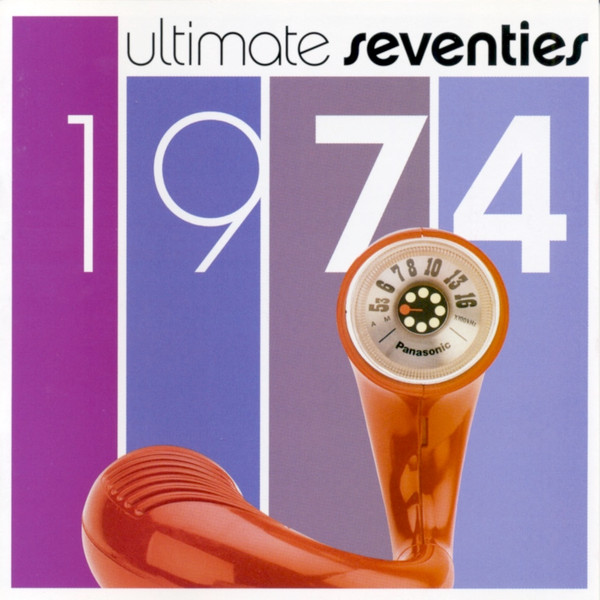
Max Weinberg Presents: Let There Be Drums! Vol. 3: The ’70s

TRACK LIST:

The Rolling StonesRocks Off
Aretha FranklinRock Steady
RaspberriesOvernight Sensation (Hit Record)
RufusTell Me Something Good
Gary WrightDream Weaver
The Edgar Winter GroupFranksenstein
The Staple SingersI’ll Take You There
Ringo StarrDrumming Is My Madness
George McCraeRock Your Baby
YesThe Fish (Schindleria Praematurus)
Sly & The Family StoneIn Time
Meat LoafParadise By The Bashboard Light
MFSBTSOP (The Sound Of Philadelphia)
James Taylor (2)Fire And Rain
Herbie MannHijack
The Grateful DeadTerrapin Flyer (Excerpt)
Daryl Hall & John OatesShe’s Gone
Bruce SpringsteenCandy’s Room

WEDNESDAY’S SHORT STORIES #256: THE BEST MYSTERY STORIES OF THE YEAR 2025 Edited by John Grisham

TABLE OF CONTENTS:

I enjoyed John Grisham’s Introduction where he writes about the murderers he encountered as a young attorney–before he became a best selling writer. I was also delighted by David Avallone–son of the famous Mike Avallone–who shows in “The Golden Road” that he has some of his father’s writing chops.

The mix of stories in this volume will appeal to most mystery fans. “The Secret Menu” by Sean McCluskey features a private investigator hired to follow the husband of a wealthy woman who suspects he might be cheating on her. In “Home Game” by Craig Faustus Buck, a couple is confronted by a killer in their house and have to decide who must die.

A feature of Otto Penzler’s The Best Mysteries of the Year series is the inclusion of a classic mystery story. That honor goes to The Problem of Cell 13 by Jacques Futrelle. I read it again for maybe the fifth time…still enjoyed it and still consider it great! GRADE: A

  •  Foreword, Otto Penzler — xi
  • Introduction, John Grisham — xv
  • The Golden Road, David Avallone — 1
  • Home Game, Craig Faustus Buck — 13
  • Under the Blackjack Tree, V.P. Chander — 31
  • Jamming at Jollies, Tracy Falenwolfe — 49
  • Totality, James Hearn — 65
  • The Art of Disappearance, April Kelly — 81
  • Eat My Moose, Erika Krouse — 95
  • The Other Brother, Tom Larsen — 113
  • Same Old Song, Billie Livingston –143
  • Only a Story, Kai Lovelace — 163
  • The Secret Menu, Sean McCluskey — 191
  • Mister George, Richard McMahon — 202
  • Dream Stuff, Lou Manfredo — 229
  • Her Dangerously Clever Hands, Karen Odden — 249
  • A New Weariness, Anna Scotti — 277
  • Snapshot, Shelagh Smith — 303
  • Effie’s Oasis, Casey Stegman — 319
  • The Lost and the Lonely, Lamont A. Turner — 335
  • Run and Gun, Joseph S. Walker — 363
  • Through Thick and Thin, Andrew Welsh-Huggins — 405
  • Bonus Story: The Problem of Cell 13, Jacques Futrelle — 441
  • The Best Mystery Stories of 2025 Honor Roll — 479

PLURIBUS [Apple TV+]

If you’re in the mood for 9-episode series with an Invasion of the Body Snatchers vibe, you might want to give Pluribus a try. The first episode starts with astronomers picking up a signal from 600 light years away. They decipher it and start experimenting with the results. BAD MOVE!

This post-apocalyptic science fiction television series was created by Vince Gilligan. Set and filmed primarily in Albuquerque, New Mexico, the series follows romantic fantasy novelist Carol Sturka (Rhea Seehorn), who finds herself isolated after an alien virus transforms the rest of humanity into a peaceful and content hive mind.

Season Two has already been approved. GRADE: Incomplete, but trending towards a B+

STATE OF THE BLOG 2026

Trump’s tariffs, trade wars, bombing “drug boats,” snatching Maduro, the Epstein files, inflation, affordability, flu epidemic, measles on the rise, brutal ICE enforcement, the Government Shut-down, incompetent Cabinet picks, retribution, and watching Trump doze off are just the tip of the dysfunctional world we live in now in 2026.

This blog seeks to be an oasis in the desert of dreadful social media and Internet scams. It’s the wit and wisdom of  Patti, Jeff, Deb, Richard, Beth, Todd, Art, Willam, Maggie, Bob, Tracy, Carl, Lauren, Steve, Jerry, Wolf, Stan, Dan, Neeru, Michael, Byron, Elgin, Angela, Scott, Jim, John, Kevin, Randy, James, Kent, Fred, and Matthew as well as all of you who make this blog a part of your day that fuels the hope we can make it through another hellish year.

The year ahead with the Mid-term Election Season, the cancer of Dark Money influencing voters, the impact of Artificial Intelligence on unemployment, and the greedy impacts of The Big Beautiful Bill desperately needs your intelligent and rational comments. Together, we can make it through this nightmare.

Thank you, thank you very much.

NEW YORK JETS VS. BUFFALO BILLS (CBS)

The 3-13 NY Jets take on the 11-5 Buffalo Bills in a meaningless game. This will be the last Regular Season game in 53 year old Highmark Stadium. The new Bills stadium is being constructed across the street from the old stadium (which will be demolished and turned into a parking lot). The Bills are 9 1/2 points favorites even though Josh Allen and several other starters are going to “rest” instead of play in this game. I’m hoping the Jets are resting, too, and nobody gets injured.

How will your favorite NFL do today in the last game of the season?

FRANCHISE: THE GOLDEN ARCHES IN BLACK AMERICA By Marcia Chatelain

Marcia Chatelain’s insightful analysis of the history of McDonald’s and the Black Community reveals a decades long struggle to generate Black wealth. Surprisingly, McDonald’s Ray Kroc saw a profitable opportunity to sell franchises to Black investors in the 1960s (it would take years before McDonald’s competitors to see that potential, too).

Numerous barriers constantly blocked Black businesses from succeeding. A few years after Mahalia Jackson’s Glori-Fried Chicken was introduced in 1968, but within a few years the business folded. Muhammed Ali’s ChampBurger also flopped. James Brown launched the Gold Platter restaurant franchise in 1969, hoping his fans would believe franchising was his brand-new bag. But these businesses could not compete with McDonald’s, Kentucky Fried Chicken, Burger King, or Wendy’s.

In 1965, Daniel Patrick Moynihan released The Negro Family, The Case of National Action which claimed Black poverty came from family disorganization and a crisis of manhood. Moynihan’s report asserted that “Black women emasculated their male partners, that Black families invested too much in their daughters at the expense of their sons, and that in order to restore Black America, Black men should either enlist in the military or receive preference over Black women for jobs.” (p. 173)

This cockeyed picture of Black America influenced the fast-food industry to target poor communities and provide basically dead-end jobs to urban youth. Over the years, junk food contributed to the epidemic of diabetes and a myriad of health problems in Black neighborhoods.

I learned a lot about the strategies fast-food organizations employed to capture profits from distressed urban ghettoes. I also learned that McDonald’s “invented” the Filet-O-Fish to market to Catholics during Lent! Marcia Chatelain’s research brings plenty of troubling decisions to light. Franchise: The Golden Arches in Black America was the WINNER of the 2021 PULITZER PRIZE IN HISTORY. Are you a fan of McDonald’s and fast-food? GRADE: A

TABLE OF CONTENTS:

  1. Introduction: From Sit-In to Drive-Thru — 1
  2. Chapter One: Fast Food Civil Rights — 22
  3. Chapter Two: Burgers in the Age of Black Capitalism — 58
  4. Chapter Three: The Burger Boycott and the Ballot Box — 87
  5. Chapter Four: Bending the Golden Arches — 121
  6. Chapter Five: Black America, Brought to You by . . . — 158
  7. Chapter Six: A Fair Share of the Pie — 197
  8. Chapter Seven: The Miracle of the Golden Arches — 223
  9. Conclusion: Bigger than a Hamburger — 259
  10. Acknowledgements — 267
  11. Notes — 277
  12. Index — 313

FRIDAY’S FORGOTTEN BOOKS #886: GIRL GANGS, BIKER BOYS, AND REAL COOL CATS: PULP FICTION AND YOUTH CULTURE, 1950 TO 1980 Edited by Iain McIntyre and Andrew Nette

I don’t know how I missed this book first published in 2017, but I’m glad I discovered it now. If you’re a fan of paperback cover art from 1950 to 1980, Girl Gangs, Biker Boys, and Real Cool Cats offers dozens of great examples. Many of these covers I’ve never seen before!

I sent a copy of Girl Gangs, Biker Boys, and Real Cool Cats to Art Scott for a Christmas present. Art, whose eyes are sharper than mine, told me the book was dedicated to former DAPA-EM member Graeme Flanagan. And, in the CREDITS, Bill Crider is listed. I don’t remember Bill mentioning working on Girl Gangs, Biker Boys, and Real Cool Cats but he was involved in plenty of projects at that time.

The range of paperback cover artwork displays plenty of great girl gang covers. Girl Gangs, Biker Boys, and Real Cool Cats is a must-buy if you’re into classic paperbacks. What a wonderful book! GRADE: A

TABLE OF CONTENTS:

Foreword by Peter Doyle — 7

Introduction by Andrew Nette & Iain McIntyre: Savage Streets and Secret Swingers: The Longed-for World of Pulp Fiction and Youth Culture — 11

Teenage Jungle: Pulp Fiction; Juvenile Delinquents — 18

The Pulp Delinquents: The Teenage Crime Wave and 1950s Pulp Fiction — 20

Evan Hunter; Jungle Kids — 38

The Amboy Dukes, by Irving Shulman — 48

Some Sketches of the Damned: The Early Pulp Fiction of Harlan Ellison — 50

Playing Chicken: 1950s Hot Rod Pulps — 56

Rumble at the Housing Project, by Edward DeRoo — 60

Teddy Boy, by Ernest Ryman — 62

The Feather Pluckers, by John Peter Jones — 64

In Too Deep, by Bruce Nicholson — 66

Bodgies, Widgies and Bent Cops: Gunther Bahnemann’s Hoodlum — 68

The Delinquents, by Criena Rohan — 76

The Rebels, by Carl Ruhen — 78

The Typewriter Was His Camera: Devil Girls and the Shadowy Literary Career of Edward D. Wood, Jr — 80

The Warriors, by Sol Yurick — 86

Beat Girls and Real Cool Cats: 1960s Beats and Bohemians — 90

Tomorrow Is a Drag: Beats and Bohemians in 1960s — 92

Pulp Fiction Ann Bannon and the Beebo Brinker Chronicles — 104

“Beat” in Fiction and Fact: The Books of John Trinian –114

Shake Him Till He Rattles, by Malcolm Braly — 118

Marijuana Girl, by N.R. De Mexico — 120

Laura Del-Rivo; The Furnished Room — 122

Baron; Court, All Change, by Terry Taylor — 126

Party Girls and Passion Pits: The Pulp Fiction of Sydney; Kings Cross — 128

The Spungers, by Julian Spencer — 134

Love Tribes: Hippies and the Pulp Fiction of the Late-60s and Early-70s Counterculture — 136

Turn On, Freak Out: Late-60s Hippie Pulp — 138

Two Travel Through. Or, The Skinny Shall Inherit the Earth, by Glen Gainsburgh & Peter Whitehead — 144

The Disappearance of Adam Diment — 146

The Carnaby Street Spy — 149

“Whoever Was in Control Was the One to Watch”; An Interview with Floyd Salas — 152

What Now My Love, by Floyd Salas — 156

Dress Her in Indigo, by John D. MacDonald — 158

From Acid Temple Ball to Wimmem’s Comix: Sharon Ruda; Adventures in the Underground — 160

144 Piccadilly, by Samuel Fuller — 166

Satanic Slaves and Hippie Death Cults: Charles Manson; Inspired Paperbacks — 168

Nothing to Lose: An Introduction to the Work of Jane Gallion — 174

The Power of the Word; A Letter from Jane Gallion — 180

Sappho in Absence, by John Crosby — 184

Harris in Wonderland, by Philip Reid — 186

The Hardboiled Hippie: The Detective Fiction of Brad Lang — 188

Groupies and Immortals: Pulp Fiction Music Novels — 194

Hot Lips, by Jack Hanley — 196

Wild Beats: Australian Rock Pulps — 198

A Sad Song Singing, by Thomas B. Dewey — 204

Sir or Madam, Will You Read My Book? British Beat Group and Rock Fiction of the 1960s — 206

Cold Iron, by Robert Stone Pryor — 214

Drummer, by Richard Carlile — 216

The Destroyer #13: Acid Rock by Warren Murphy and Richard Sapir — 218

The Drop Out — Hugh Miller — 220

WHEELS OF DEATH: Pulp Biker and Motorcycle Gangs — 222

The Leather Boys by Eliot George — 224

A Rock and Roll Lord of the Flies: Davis Wallis’s Only Lovers Left Alive — 226

Bonnie by Oscar Bessie –230

Black Leather Barbarians: The Biker Pulp of New English Library — 232

Bike Boys, Skinheads, and Drunken Hacks: Laurence James Interviewed — 236

The High Side by Max Ehrlich — 246

Bikie Birds by Stuart Hall — 248

CULTS OF VIOLENCE: 1960s British Youthsploitation Novels — 252

The Best British “Bovver”: Richard Allen and New English Library –254

Gender, Sexuality, and Control in New English Library Youthspoltation Novels of the 1970s — 263

Soccer Thug by Frank Clegg — 270

Agro — Michael Parry — 272

The Punk — Gideon Sams — 274

Gang Girls — Maisie Mosco — 276

OUTSIDERS: Late-60s and Early-70s American Pulp and the Rise of the Teen Novel — 278

Something in the Shadows: An Interview with Marijane Meaker — 280

James Bond Never Surfed: the Surfer Spy Pulp of Patrick Morgan — 286

Operation Hang Ten: An interview with George Snyder — 290

The Grass Pipe by Robert Coles — 296

The Outsiders — S. E. Hinton — 298

A Hero Ain’t Nothin’ But a Sandwich — Alice Childress — 300

Frank Bonham’s Dogtown — 302

Go Ask Alice by Anonymous — 308

High School Pusher –Jack W. Thomas — 310

Kin Platt’s Young Adult Novels –312

Contributors — 317

Acknowledgements — 320