Category Archives: Uncategorized

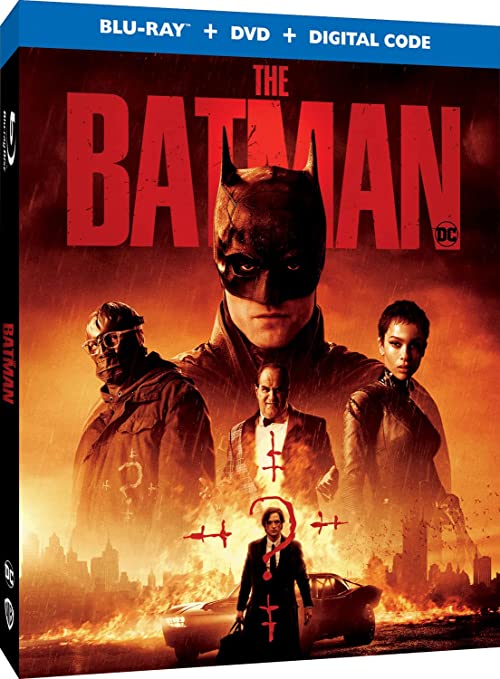
THE BATMAN [HBO Max]

Maybe I’m getting super-heroed out but this newish iteration of the Batman story left me cold. I finally watched it on HBO Max but the Blu-ray/DVD is on sale for those who crave “Additional Content.”

It seems like each Batman movie tries to be darker than the film that preceded it. In The Batman, a sadistic serial killer murders key political figures in Gotham. Batman investigates the city’s hidden corruption. And, of course, questions about his family’s involvement arise.

Yes, there’s plenty of action. Yes, there’s plenty of violence. Explosions…check. Cool gadgets…check. Loud music..check. Even though The Batman checks all the boxes, I had that deja vu feeling that I’ve seen all this before. Are you a Batman fan? GRADE: C

THE GOOD, THE BAD, AND THE UGLY THEME By Danish National Symphony Orchestra

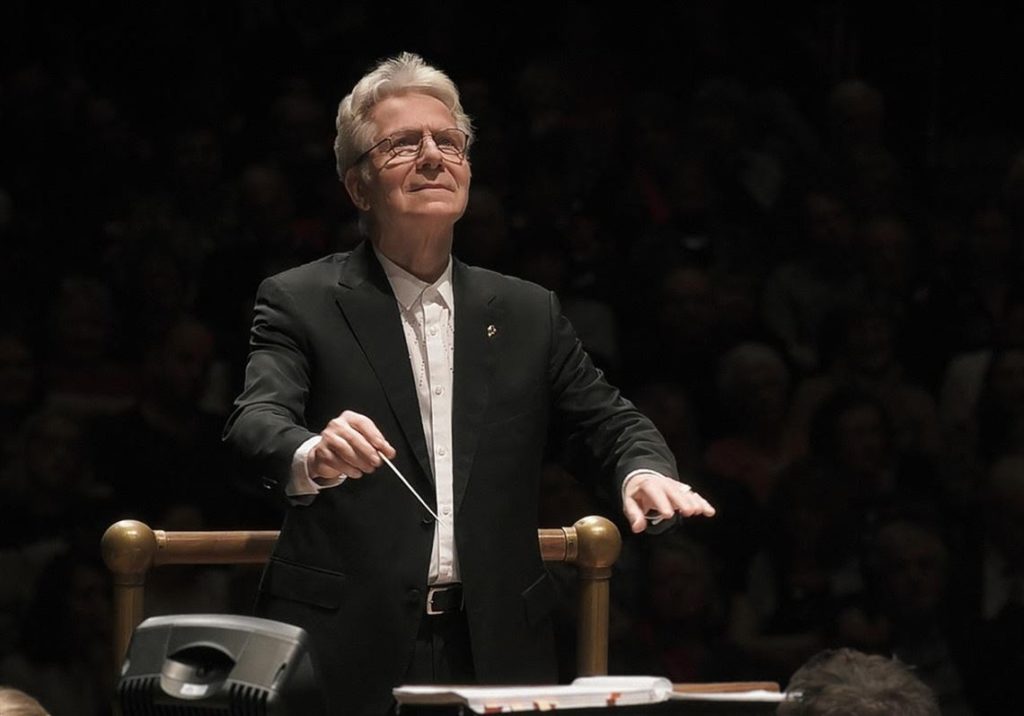
A few days ago I reviewed The War on Music: Reclaiming the-Twentieth-Century By John Mauler and Ennio Morricone’s name was mentioned a few times in your comments. Just through serendipity I stumbled onto this performance of “The Good, The Bad, and The Ugly” theme by the Danish National Symphony Orchestra. It really rocks! And, check out that dangling guy!

BUFFALO WING FEST 2022!

The National Buffalo Wing Festival returns to Highmark Stadium (where the Buffalo Bills play their games) on Sept. 3rd and 4th 2022. Now in its 21st year, celebrating its 20th festival, Wing Fest has over the past 10 years averaged 50,000+ attendees that have been tracked from all 50 states and 44 different countries, featuring 25 local, regional, national and international eateries serving more than 100 styles of chicken wings. About 10 tons of chicken wings will be consumed this weekend!

Other activities include live music, a baby wing pageant, amateur and XXXHot chicken wing eating competition, celebrity influencer sauce-off competition, bobbing for wings, and much more!

Are you a fan of chicken wings?

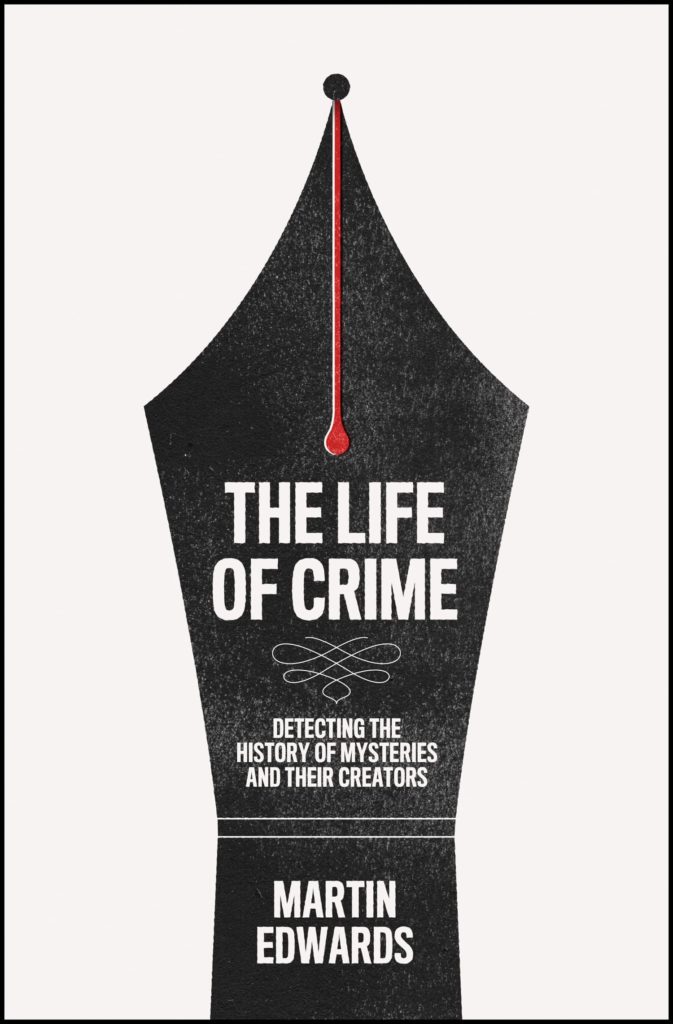
FRIDAY’S FORGOTTEN BOOKS #708: THE LIFE OF CRIME: Detecting the History of Mysteries and their Creators By Martin Edwards

Martin Edwards’s monumental The Life of Crime (724 pages!) will sweep whatever Awards BOUCHERCON and other groups bestow on BEST NON-FICTION MYSTERY BOOKS. Edwards wisely consulted with Art Scott (thanked on Page One–page 644–of the Acknowledgements). Edwards refers to Art’s Nero Wolfe knowledge on pages 101 and 172. And Edwards goes further to praise and recommend Art Scott and Wallace Maynard’s The Paperback Covers of Robert McGinnis on page 324. However, Art’s valiant lobbying effort to get Edwards to devote an entire chapter to Nero Wolfe…produced a vaporware chapter that cannot be found between these covers.

It took about 20 years for Martin Edwards to research and write this magisterial work. To attempt to capture all the facets of the History of the Mystery in less than a 1,000 pages is quixotic to say the least. I’m sure many readers will quibble about the coverage (or lack thereof) of their favorite mystery writers. The Editors of The Life of Crime pressured Edwards to “cut” and “reduce” his mammoth book. However, I’m pleased to report that Edwards managed to stave off many of the attempts to shrink his project. The result is a book that should be in the library of any serious reader of mysteries. GRADE: A+

TABLE OF CONTENTS:

Introduction — 1

Chapter 1 Revolution: Origins — 9

Chapter 2 Mystery and Imagination: Edgar Allan Poe and the First Detective Stories — 20

Chapter 3 Guilty Secrets: Sensation Novels — 29

Chapter 4 Detective Fever: Wilkie Collins, Charles Dickens, and Early Detective Fiction — 37

Chapter 5 Poacher Turned Gamekeeper: The French Revolution: Vidocq, Gaboriau and their Worldwide Influence — 49

Chapter 6: The Great Detective: Sherlock Holmes — 58

Chapter 7 Rogues’ Gallery: Raffles and Other Villains — 71

Chapter 8 The Nature of Evil: G. K. Chesterton and Faith and Sin in Detective Fiction — 81

Chapter 9 Plot Minds: Marie Belloc Lowndes and Edwardian-era Detective Fiction — 92

Chapter 10 The Science of Detection: R. Austin Freeman and Scientific Mysteries — 103

Chapter 11 Had-I-But-Known: Mary Roberts Rinehart and ‘Women in Jeopardy’ Novels — 116

Chapter 12 War and Peace: The First World War and Detective Fiction — 127

Chapter 13 Treacherous Impulses: Early Spy Fiction — 135

Chapter 14 The Mistress of Deception: Agatha Christie — 149

Chapter 15 American Tragedy: Van Dine and the American Golden Age — 162

Chapter 16 Superfluous Women: Queens of Crime — 174

Chapter 17 Challenging the Reader: Detection and Game-playing — 187

Chapter 18 Locked Rooms: ‘Impossible Crime’ Mysteries — 199

Chapter 19 The Long Arm of the Law: Early Police Stories — 212

Chapter 20 Blood-Simple: Dashiell Hammett — 223

Chapter 21 Murder and its Motives: True Crime — 234

Chapter 22 Twists of Fate: Francis Iles and Ironic Crime Fiction — 245

Chapter 23 The Sound of Mystery: Radio Mysteries — 259

Chapter 24 In Lonely Rooms: Raymond Chandler — 270

Chapter 25 Brothers in Crime: Patrick and Bruce Hamilton — 281

Chapter 26 Cracks in the Wall: Georges Simenon and European Crime Fiction — 291

Chapter 27 Sensation in Court: Legal Mysteries — 304

Chapter 28 California Dreaming: Crime Writers and Hollywood — 314

Chapter 29 Carnival of Crime: Mystery and the Macabre –326

Chapter 30 Waking Nightmares: Noir Fiction — 336

Chapter 31 Dagger of the Mind — 347

Chapter 32 Whose Body?: Whowasdunins: Mysteries about the Victim’s Identity — 355

Chapter 33 Private Wounds: Transitioning from the Golden Age — 365

Chapter 34 Out of this World: Traditional Detective Fiction Evolves in the United States — 375

Chapter 35 Perfect Murders: Crime and the End of Empire — 387

Chapter 36 Mind Games: Post-war Psychological Suspense — 398

Chapter 37 Deep Water: Patricia Highsmith — 410

Chapter 38 Forking Paths: Borges and Postmodernism — 418

Chapter 39 Bloody Murder: Julian Symons and Crime Fiction Criticism –429

Chapter 40 People with Ghosts: Post-war Private Investigators and the Legacy of Vietnam — 443

Chapter 41 Killing Jokes: Comedy and Crime — 454

Chapter 42 Literary Agents: Post-war Spy Fiction — 466

Chapter 43 Nerve: Adventure Novels and Thrillers — 480

Chapter 44 Outsider in Amsterdam: Dutch Crime — 490

Chapter 45 Whodunwhat?: Theatrical Murder — 502

Chapter 46 Black and Blue: British Police Fiction — 511

Chapter 47 Home Discomforts: Domestic Suspense — 522

Chapter 48 Mystery Games: East Asian Detective Fiction — 533

Chapter 49 Early Graves: Difference and Diversity — 545

Chapter 50 A Suitable Job for a Woman: Women Writing about Private Investigators — 560

Chapter 51 A Feeling for Snow: Scandinavian Crime Writing — 571

Chapter 52 Fatal Inversions: Ruth Rendell and Modern Psychological Suspense — 581

Chapter 53 Dark Places: American Police Fiction — 591

Chapter 54 Long Shadows: Historical Crime — 601

Chapter 55 A Taste for Death: P. D. James and the Truth about Human Character and Experience — 613

SELECT BIBLIOGRAPHY — 623

Acknowledgements — 644

INDEX OF TITLES — 646

INDEX OF NAMES — 688

SUBJECT INDEX — 716
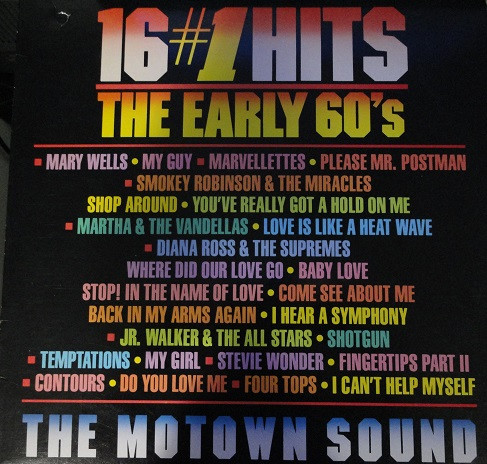
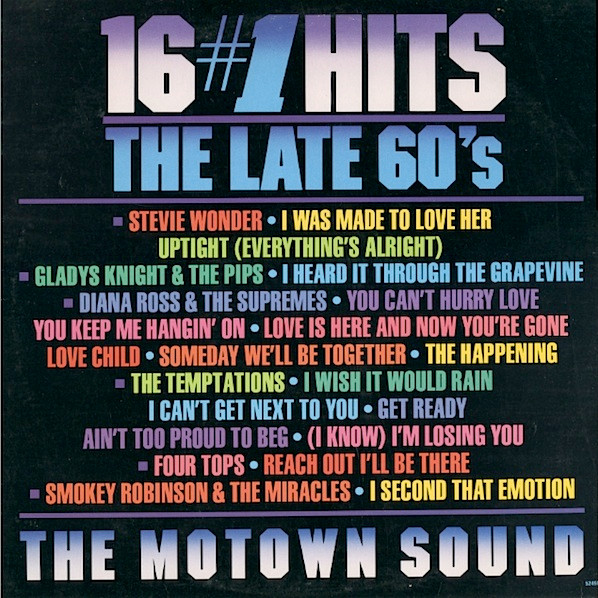
16 #1 HITS: THE EARLY 60’s and 16 #1 HITS: THE LATE 60’s

It would be hard to overestimate the impact of Motown hits in the 1960s. I found these two CD compilations which collect 32 Number One Motown songs from that decade. The Temptations and The Supremes led the way with multiple Number One hits. But, other Motown performers and groups found their way to the top of the charts, too. The Motown Sound was the sound of money!

Do you remember these Number One hits from the Sixties? Any favorites? GRADE: A (for both)

TRACK LIST:

Smokey Robinson & The Miracles*–Shop Around
The Marvelettes–Please Mr. Postman
The Contours–Do You Love Me
Smokey Robinson & The Miracles*–You’ve Really Got A Hold On Me
Stevie Wonder–Fingertips (Part II)
Martha And The Vandellas*–Love Is Like A (Heat Wave)
Mary Wells–My Guy
Diana Ross & The Supremes*–Where Did Our Love Go
Diana Ross & The Supremes*–Baby Love
Diana Ross & The Supremes*–Come See About Me
The Temptations–My Girl
Jr. Walker & The All Stars*–Shotgun
Diana Ross & The Supremes*–Stop! In The Name Of Love
The Four Tops*–I Can’t Help Myself (Sugar Pie, Honey Bunch)
Diana Ross & The Supremes*–Back In My Arms Again
Diana Ross & The Supremes*–I Hear A Symphony

TRACK LIST:

The Supremes–You Can’t Hurry Love
Stevie Wonder–Uptight (Everything’s Alright)
The Temptations–Get Ready
The Temptations–Ain’t Too Proud To Beg
Four Tops–Reach Out I’ll Be There
Diana Ross & The Supremes–You Keep Me Hangin’ On
The Temptations–(I Know) I’m Losing You
Diana Ross & The Supremes–Love Is Here And Now You’re Gone
Diana Ross & The Supremes–The Happening
Stevie Wonder–I Was Made To Love Her
Smokey Robinson & The Miracles–I Second That Emotion
The Temptations–I Wish It Would Rain
Diana Ross & The Supremes–Love Child
Gladys Knight & The Pips*–I Heard It Through The Grapevine
The Temptations–I Can’t Get Next To You
Diana Ross & The Supremes–Someday We’ll Be Together

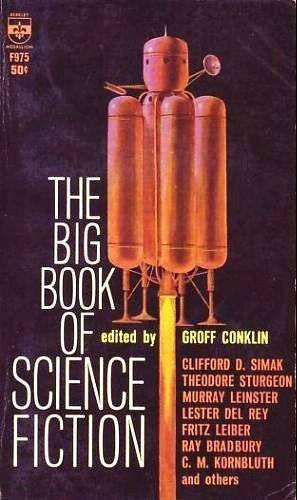
WEDNESDAY’S SHORT STORIES #88: THE BIG BOOK OF SCIENCE FICTION Edited by Groff Conklin

This Berkley Books paperback from 1957 reprints 10 of the 32 stories appearing in the original 1950 Crown Books hardcover.

Several of the stories in The Big Book of Science Fiction fall into the “classic” category. The first story in the book is Clifford Simak’s “Desertion,” a key story in his City series. “Nobody Saw the Ship” is one of my favorite Murray Leinster stories about an alien invasion.

Probably the most famous story in this book is Fredric Brown’s “Arena” which became a fan favorite Star Trek episode where a human and an alien are forced to fight for survival. War is also at the heart of C. M. Kornbluth’s “The Only Thing We Learn.” The story that most surprised me was Fletcher Pratt’s “The Roger Bacon Formula” which resembles a LSD trip. The Big Book of Science Fiction is another Groff Conklin winner! GRADE: A

TABLE OF CONTENTS:

Desertion [City] (1944) by Clifford D. Simak — 7

Mewhu’s Jet (1946) by Theodore Sturgeon– 18

Nobody Saw the Ship (1950) by Murray Leinster — 52

The Wings of Night (1942) by Lester del Rey — 69

Arena (1944) by Fredric Brown — 86

The Roger Bacon Formula (1929) by Fletcher Pratt — 111

Forever and the Earth (1950) by Ray Bradbury — 126

The Miniature (1949) by John D. MacDonald — 141

Sanity (1944) by Fritz Leiber — 152

The Only Thing We Learn (1949) by C. M. Kornbluth — 167

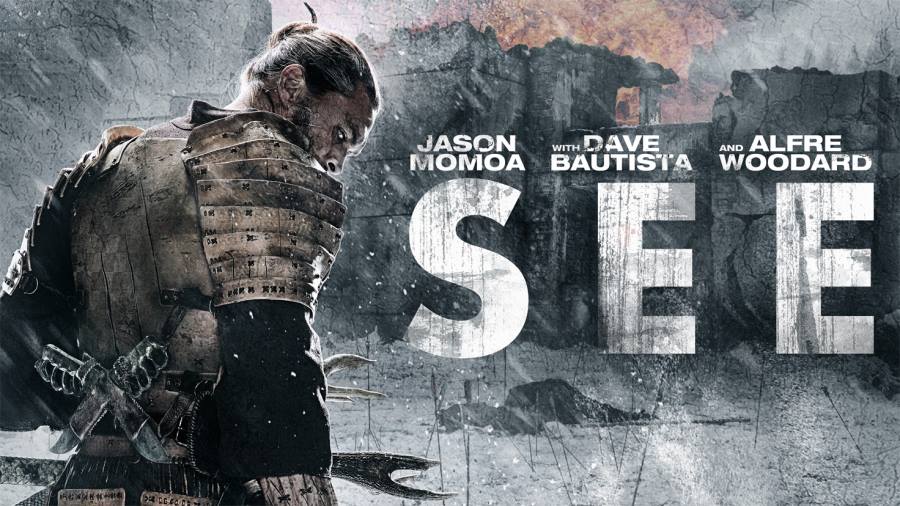
SEE, Season Three [Apple TV+]

This  post-apocalyptic drama is set in the twenty-first century after a virus has wiped out most of Earth’s population. Fewer than two million people had survived, and their descendants have all lost their sense of sight because of the disease. See takes place several centuries after the Pandemic where the survivors has found new ways to socially interact, build, hunt, and survive without vision. The concept of vision has become a myth and any mention of it is considered heresy.

Season Three of See will conclude the series. Jason Momoa and Alfre Woodard try to defend their tribe from Queen Sibeth Kane (Sylvia Hooks), the ruler of the Payan Kingdom, a ruthless leader who murders anyone who stands in her way.

Apple TV+ has released two of the eight episodes. New episodes will be released each week. GRADE: Incomplete

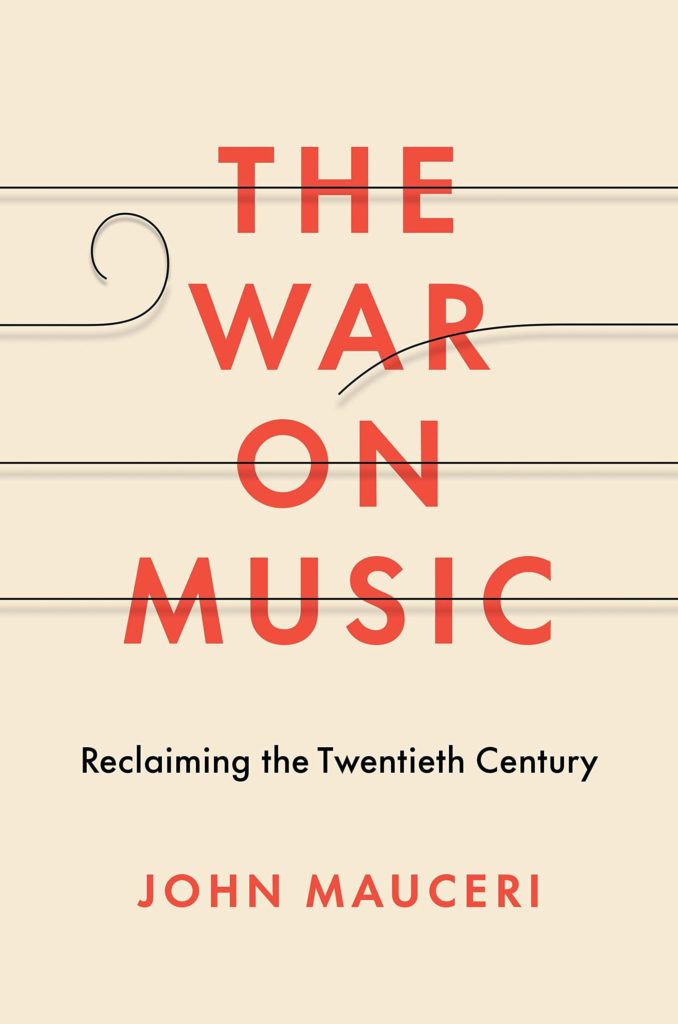
THE WAR ON MUSIC: RECLAIMING THE TWENTIETH CENTURY By John Mauceri

John Mauceri is a conductor and served on the Yale University faculty for 15 years. Mauceri believes the dearth of classical music in the 20th Century was the result of war. The Nazis banned plenty of music and only authorized certain approved conductors and certain approved music be performed.

Stalin insisted that music must have a purpose in supporting the State. Both Stalin and Hitler’s actions sent many talented conductors, classical musicians, and composers to other countries. In the United States, many of the refugee composers found their way to Hollywood.

For much of the 20th Century, Mauceri shows film music was considered inferior to “Real Classical Music.” But, as time has passed, the film music of Korngold, Steiner, Tiomkin, and Rozsa grow in fame and popularity. Mauceri maps out the classical influences that contemporary film composers work with:

“However, it can be argued that, if there is indeed a ‘line’ of influence, one that accounts for the most heard symphonic music in history, that like would look something like: Wagner–Strauss/Mahler–Korngold/Steiner (Waxman, Tiomkin, Rozsa)–John Williams (Elmer Bernstein, Alex North, Bernard Herman, Jerry Goldsmith)–Howard Shore, Danny Elfman, Hans Zimmer, Alexandre Desalt, Nobuo Uematsu, Ramin Djawadi, and so on.” (p. 153-154)

If you’re a fan of film music, you’ll appreciate Mauceri’s survey of Hollywood music of the 20th Century. What’s your favorite Hollywood music composer? GRADE: A

Table of Contents:

Introduction 1

1 A View from 30,000 Feet 14

2 Brahms and Wagner: The Twilight of Two Gods 25

3 Stravinsky and Schoenberg: Overtures to the Great War 37

4 The Lure of Chaos 62

5 Hitler, Wagner, and the Poison from Within 73

6 Stalin and Mussolini Make Music 81

7 The Miracle of a Second Exodus 95

8 A New War, an Old Avant-Garde 114

9 A Cold War Defines Contemporary Music 128

10 Creating History and Erasing History 149

11 Of War and Loss 173

12 A Century Ends 180

Appendix: A Personal Diary 195

Notes 207

Acknowledgments 217

Index 219

Illustrations follow page 36