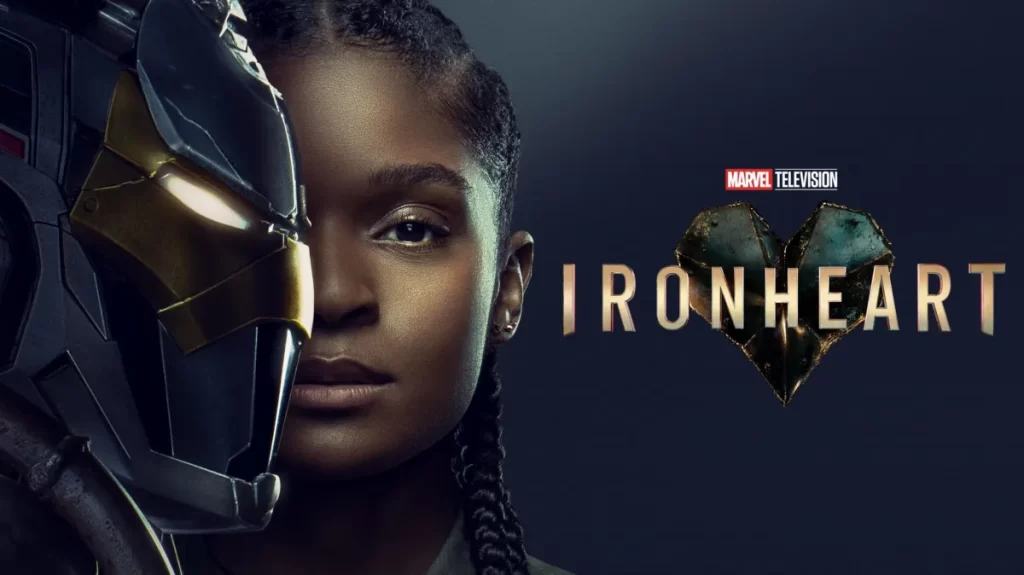
While the first episodes of Ironheart are due to show up on Disney+ today, MARVEL fandom already hates it. “Iron Man retread with a Black Girl Genius” is just one of the takes about this new series of six episodes. Some fans are claiming Disney is already expecting the Ironheart to fare poorly, and decided dropping all the episodes within two weeks to keep audiences engaged.
Three episodes will drop today. Here’s the Official Trailer to give you a taste of what Disney+ hopes is a hit:
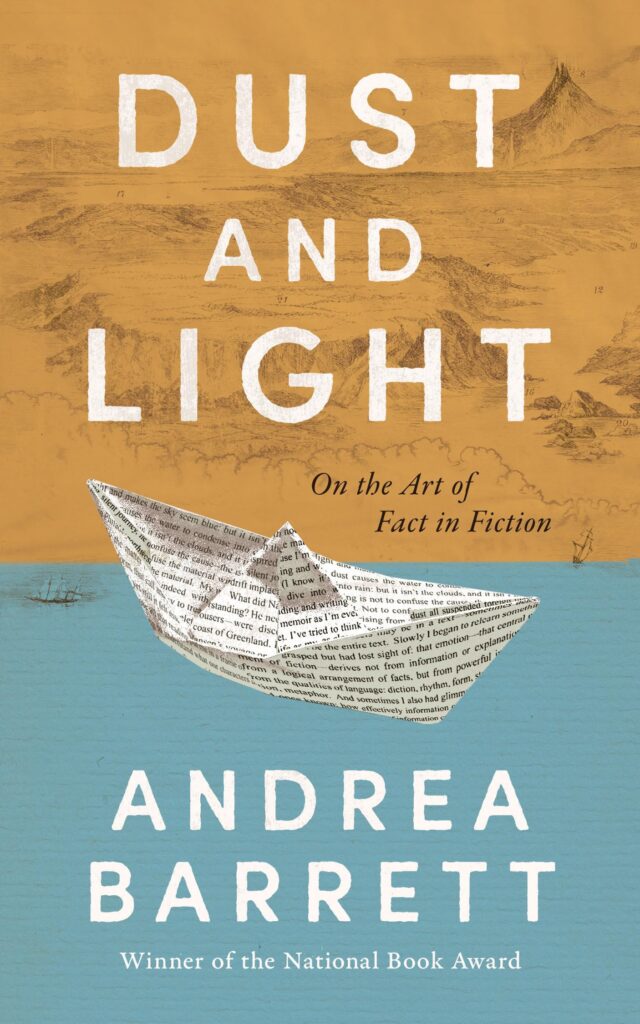
Andrea Barrett won a National Book Award for Ship Fever. Barrett has hit the Best Sellers List with Voyage of the Narwhal, Servants of the Map, and Natural History. In her new nonfiction book, Dust and Light: On the Art of Fact in Fiction, Barrett explores various means of injecting historical facts into novels.
One of my quibbles with many novels is that some authors do information dumps. The action of the novel is interrupted by a page or two (or more!) of fact after fact after fact. I find that trend annoying because it stalls the momentum of the novel and frequently bogs down the story.
Barrett’s techniques of weaving facts into fiction with grace and precision without grinding the story to a halt are both practical and clever. If you’re a fan of historical fiction, you’ll enjoy Barrett’s methods to keep novels lively and educational. GRADE: A
Diane and I watched Patience on PBS and enjoyed it (you can read my review here). Jeff Meyerson suggested that we watch the original French series, Astrid et Raphaëlle. I found it on AMAZON PRIME VIDEO and watched the first episode.
Like Patience, Astrid et Raphaelle focuses on Astrid Nielsen (Sara Mortensen), a woman on the Autism spectrum, who works in the police records department. Astrid is drawn into an active investigation by a frustrated detective, Raphaëlle Coste (Lola Dewaere), who is impressed by Astrid’s ability to see patterns in crimes that no one else does.
The two dissimilar characters develop a partnership that results in solving cases together. Astrid discovers key details that the police investigators miss that Costa can use to identify the perpetrator.
Jeff is right that Astrid et Raphaëlle is better than Patience because of the detail invested in the characters. And Paris has a lot more eye candy than York. I’m going to end up watch both series… GRADE: Incomplete, but trending towards an A
Martin Wolf, associate editor of the Financial Times, finds plenty to worry about in The Crisis of Democratic Capitalism. Wolf sees Trump and the wacky Right Wing as symptoms of underlying Democratic Capitalism. “…the appeal of right-wing populism to devotion to an idealized nation and a ‘great leader’ supplies a large mass of the people with what democracy cannot: relief from the burden of thinking for themselves in return for absolute loyalty to the leader. …it is going to win. It is far more successful than left-wing populism, because it feeds off fear and anger, while the left promises hope. …Hope requires trust. Fear does not: it just requires an enemy.” (p. 214)
Along with a brilliant economic analysis of our current problems, Wolf points out that climate change will affect all governments and all politics. No one can escape its effects. But, not much is being done to mitigate the problem which will be getting much worse in the years ahead.
“The marriage of liberal democracy with market capitalism is the most successful system in the history of the world. But liberal democrat is vulnerable to the selfishness of elites and ambitions of would-be despots. Historically, democratic republics have been exceptions. The normal human political patterns have been plutocracy or tyranny. The latter always waits in the wings. In todays world, tyrannies–demagogric and bureaucratic–are not just in the wings, but on the march.” (p. 375)
As the war in Ukraine and the possible invasion of Taiwan demonstrates, crises stress our global responsibilities. Wolf sets out an action agenda to address these matters, but warns the political will to solve these crises is currently lacking. If you’re interested in the present state of our fragile democratic and economic system, The Crisis of Democratic Capitalism will enlighten…and alarm you. GRADE: A
Table of Contents
Preface: Why I Wrote This Book — xiii
Chapter One: The Fire This Time — 1
Part I: On Capitalism and Democracy
Prologue to Part I — 11
Chapter Two: Symbiotic Twins: Politics and Economics in Human History — 13
Chapter Three: The Evolution of Democratic Capitalism — 40
Part II: What Went Wrong
Prologue to Part II — 81
Chapter Four: It’s the Economy, Stupid — 83
Chapter Five: Rise of Rentier Capitalism — 118
Chapter Six: Perils of Populism — 175
Part III: Renewing Democratic Capitalism
Prologue to Part III — 217
Chapter Seven: Renewing Capitalism — 221
Chapter Eight: Toward a “New” New Deal — 283
Chapter Nine: Renewing Democracy –311
Part IV: A Hinge of History
Prologue to Part IV — 347
Chapter Ten: Democratic Capitalism in the World — 349
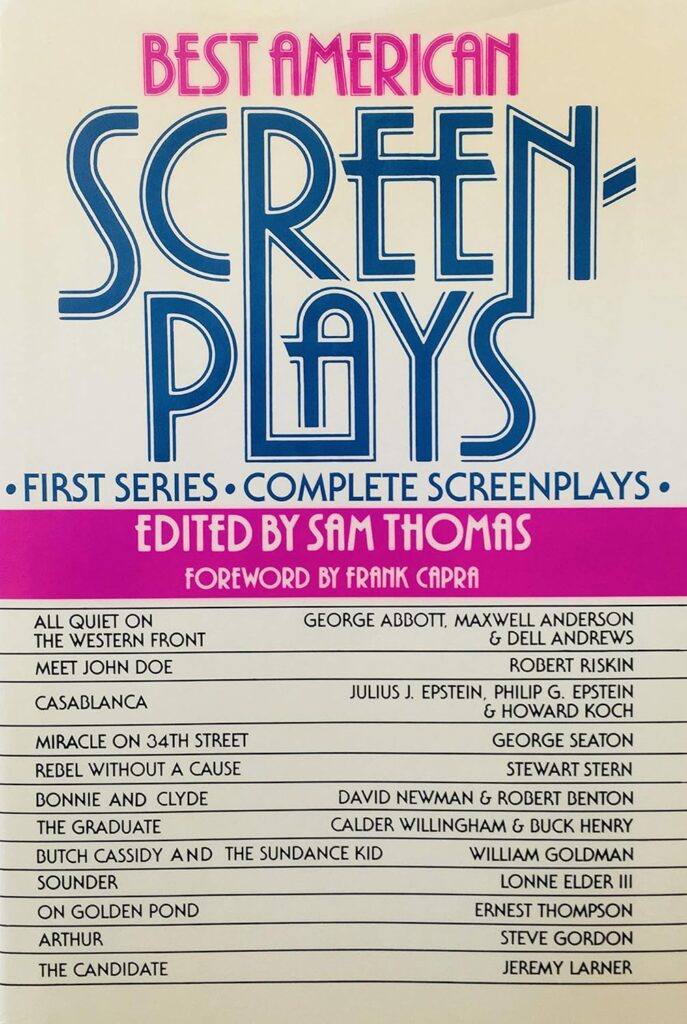
Just by chance I picked up this collection of screenplays. Best American Screenplays, First Series was first published in 1985 but I never saw it. Then, just last week, I bought it at a Library Sale. I read the screenplays and enjoyed Butch Cassidy and the Sundance Kid the best. But, there are plenty of great screenplays in this volume. The Graduate by Calder Willingham and Buck Henry is a delight! I found Casablanca by Julius J. Epstein, Philip G. Epstein, and Howard Koch very moving.
How many of these movies do you remember? Do you have a favorite? GRADE: A
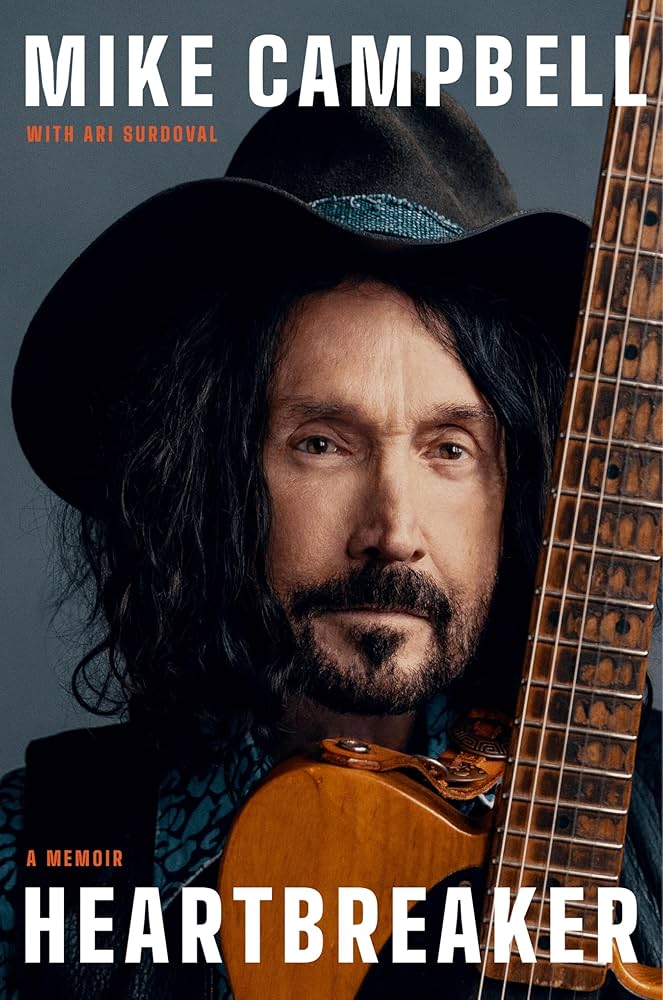
I enjoyed Tom Petty and the Heartbreakers songs for years. But after reading Mike Campbell’s memoir, Heartbreaker (2025), the lead guitarist who played with Petty for decades tells how rocky the road to success really was. The band started out playing in strip clubs where the drunken audience would throw cans of beer at them if they blocked their view of the strippers.
Campbell writes about the tons of drugs and the many, many bad decisions, both personal and professional. Despite Campbell’s love for Tom Petty, Campbell tells how he and the Heartbreakers were told that the money would be split 50-50, with 50% going to Petty and the other 50% being split between the four members of the Heartbreakers. What a rip-off!
Later Campbell, who wrote and co-wrote several of Tom Petty and the Heartbreakers hits, tried to advocate for himself as a co-writer and arranger. His friend denied Campbell credit telling him: “But I’m Tom Petty.”
Another story involved Stevie Nicks, who recorded her hit, “Stop Draggin’ My Heart Around” with Tom Petty and the Heartbreakers, trying to join the band after feuding with Fleetwood Mac. The Heartbreakers took a vote and nobody wanted Stevie Nicks in the band. Campbell suggests that dealing with an ego-maniac like Tom Petty plus a Prima Donna like Stevie Nicks would be too much!
If you’re interested in the history of a band that opened for Bob Dylan and went on to become headlines themselves, Heartbreaker lays it all out. Tom Petty and the Heartbreakers — Greatest Hits includes the remastered versions of their best known songs. Are you a Tom Petty and the Heartbreakers fan? Which song is your favorite? GRADE: A for both the CD and the Book
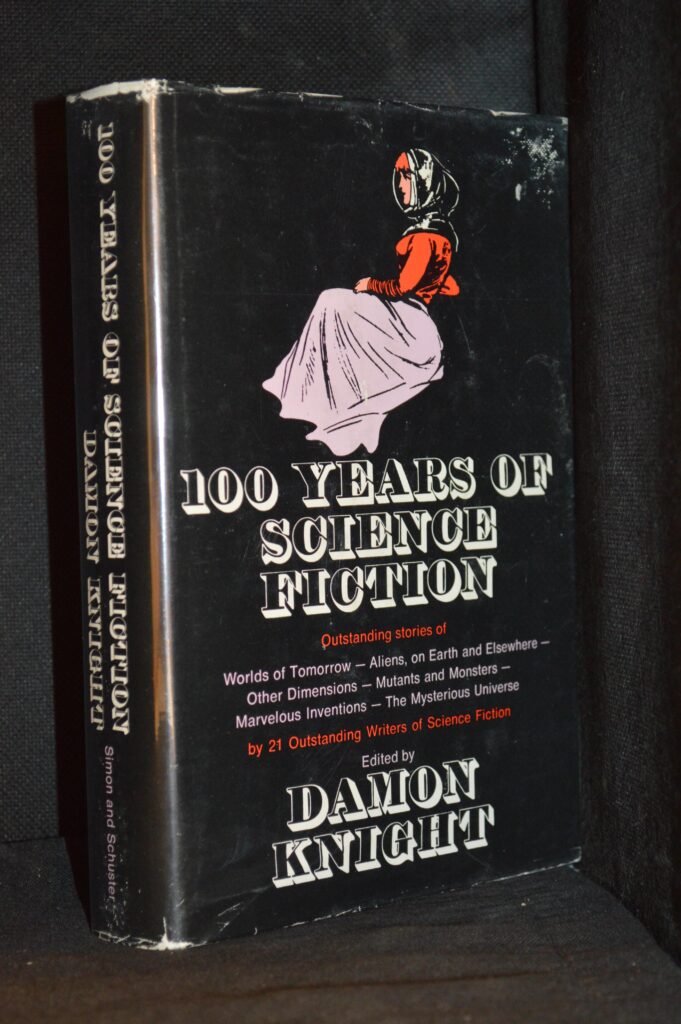
Featuring one of the most lackluster covers in Science Fiction history, Damon Knight’s One Hundred Years of Science Fiction (1968) manages to redeem itself with some wonderful stories.
Back in 1968, Damon Knight was just beginning his career as an editor (while still writing short stories and novels from time to time). These 21 stories hardly accurately represent 100 years of Science Fiction–where are Heinlein, Van Vogt, Edmond Hamilton, Leigh Brackett, and a dozen other major SF writers?
But any anthology that includes Fritz Leiber’s “Sanity” and Theodore Sturgeon’s “The Other Celia” has the Right Idea.
Damon Knight sprinkles in classic stories like “The Ingenious Patriot” by Ambrose Bierce and “With the Night Mail” by Rudyard Kipling. But the focus of this anthology is the 20th Century. My only quibble is that after his “INTRODUCTION” Damon Knight doesn’t introduce the individual stories which would have enhanced the reader’s understanding how and why these particular stories and writers were selected to represent a century of Science Fiction. How many of these stories do you recognize? GRADE: B+
TABLE OF CONTENTS:
INTRODUCTION by Damon Knight. — 7
I. WORLDS OF TOMORROW
WITH THE NIGHT MAIL by Rudyard Kipling — 13
Mr. Murphy of New York by Thomas McMorrow — 52
New Apples in the Garden by Kris Neville –68
Sanity by Fritz Leiber — 79
II. ALIENTS, ON EARTH AND ELSEWHERE
The Shapes by J. H. Rosny aine — 97
The Other Celia by Theodore Sturgeon — 122
Black Charlie by Gordon R. Dickson — 139
III. OTHER DIMENSIONS
A Subway Named Möbius by A. J. Deutsch — 157
The Man Who Came Early by Poul Anderson — 173
The Other Now by Murray Leinster — 198
IV. MUTANTS AND MONSTERS
Whatever Happened to Corporal Cuckoo? by Gerald Kersh — 213
The Mindworm by C. M. Kornbluth — 238
Nobody Bothers Gus by Algis Budrys- 251
V. MARVELOUS INVENTIONS
The Ingenious Patriot by Ambrose Bierce — 267
The Equalizer by Norman Spinrad — 269
Splice of Life by Sonya Dorman — 278
Business As Usual, During Alterations by Ralph Williams — 285
VI. THE MYSTERIOUS UNIVERSE
The Man Who Could Work Miracles by H. G. Wells — 311
The Quest for St. Aquin by Anthony Boucher — 327
The Nine Billion Names of God by Arthur C. Clarke — 345
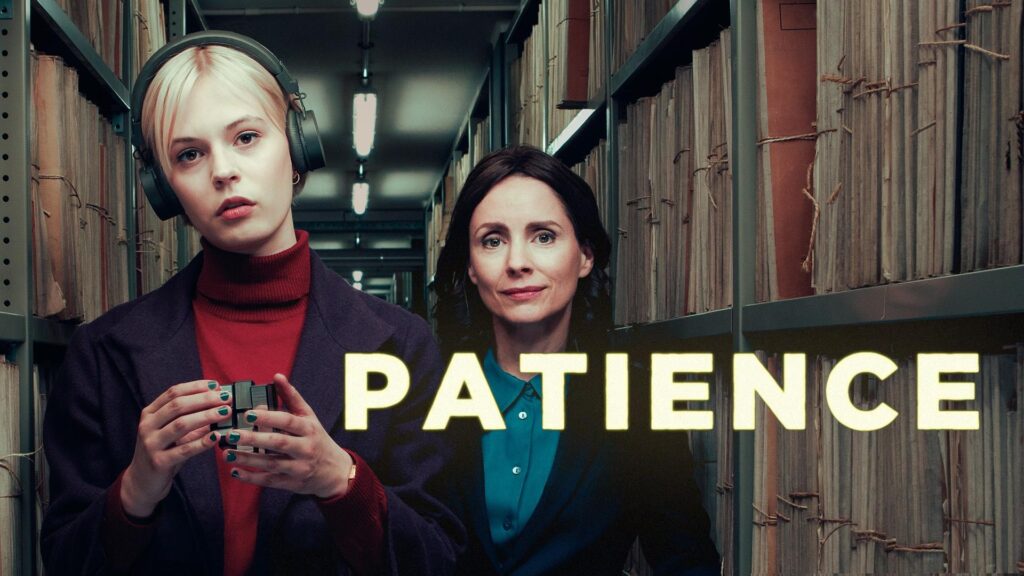
Patience is the latest mystery drama broadcast on Sunday nights on PBS (it’s also available on AMAZON PRIME Video). Patience was adapted from the critically acclaimed French television series, Astrid.
Set in York, England, the show centers on the unlikely partnership between Detective Inspector Bea Metcalf (played by Laura Fraser), veteran investigator, and Patience Evans (played by Ella Maisy Purvis) an autistic woman who works in the Criminal Records Office.
Metcalf realizes Patience’s brilliance and uniqueness in solving puzzles. After Metcalf discovers Patience’s ability to make connections in criminal cases that other people don’t see, she and Patience focus on solving crimes that have gone “under the radar.”
I’ve only watched the first episode, but this series has a lot of entertainment potential! GRADE: Incomplete, but trending towards a B+
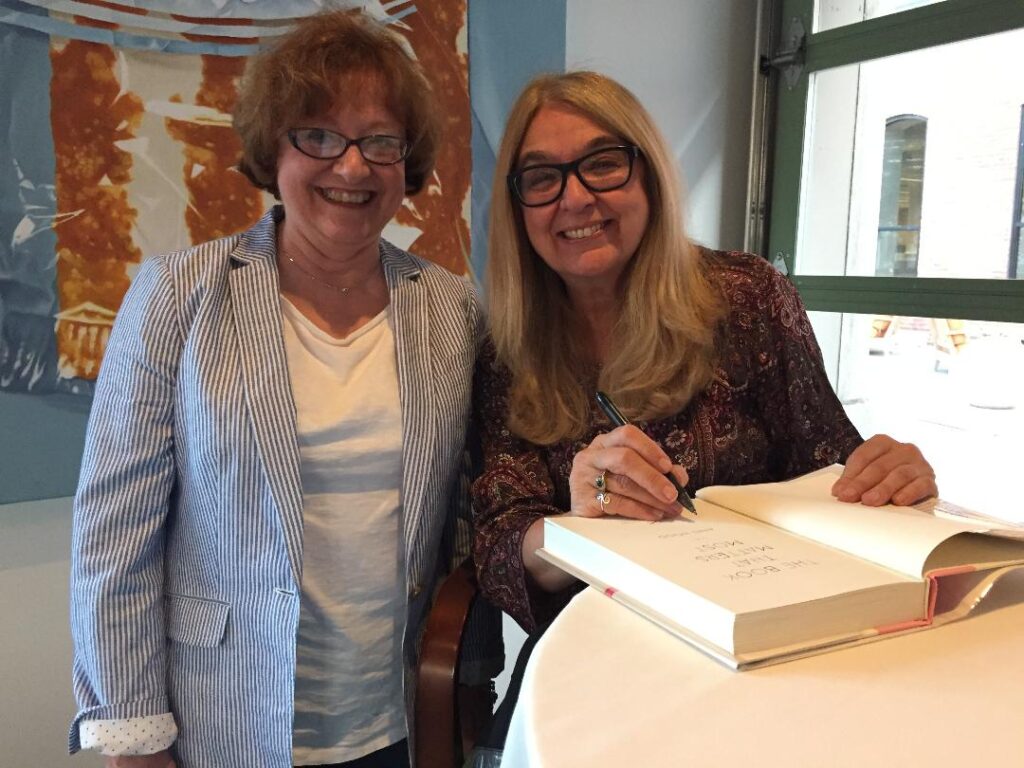
Diane and Ann Hood at Larkinville in Buffalo, NY Oct. 5, 2016. Ann Hood is signing The Book That Matters Most.
Patti Abbott recently reviewed Ann Hood’s Morningstar: Growing Up with Books (2017) (you can read Patti’s review here). I love books where writers discuss the books that affected them the most so I immediately ordered Morningstar.
“In 1967, when I was ten years old, our town finally got a library. I went there twice a week, walking past the children’s section and heading right for adult fiction.
I can still remember craning my neck to look at all those beautiful books. I whispered the writers’ names: Evan Hunter, Victor Hugo, Harold Robbins, Herman Wouk, Fred Mustard Stewart, Dashiell Hammett, Edith Barton, Dorothy Parker. So many books! At random I pulled one from the shelf. And then another. I fill my arms with books.
And then I read.” (p. 31)
Here is someone who really loves books! Sadly, Ann Hood did not get a lot of support or encouragement from her hardworking parents, especially her mother. “She [Hood’s mother] had dreamed of a beauty-queen daughter, a cheerleader, a popular girl. Instead she got me, a pageant dropout after just two trophies, too clumsy to be a cheerleader or playground star…” (p. 20)
Other than a Third Grade teacher who allowed Ann Hood to stay inside during Recess and read, teachers pretty much ignored her and her passion for reading. “When my ninth-grade guidance counselor asked me what I wanted to do with my Life, I told him I wanted to be a writer. Mr. Stone, in his brown corduroy suit and tinted aviator glasses, shook his head sadly, ‘Ann,’ he said, ‘people don’t do that.’
My eyes drifted to the shelves against the wall. ‘Then how do we get all these books?’ I asked.
Mr. Stone placed at the books for a moment, then told me, ‘All those writers are dead.'” (p. 51)
Despite little support or encouragement for her writing aspirations, Ann Hood–powered by all the books she was reading–managed to succeed with the advice of John Steinbeck and Grace Haley. Her first novel was published in 1987 and she’s been writing ever since.
Morningstar, chapter by chapter, shows how the writers Ann Hood read shaped her dreams and aspirations. Hood’s mother called her “weird” but Ann showed her and all the doubters she was something more…a lot more. Don’t miss this inspiring book! GRADE: A
TABLE OF CONTENTS:
Introduction: Growing Up with Books 13
Lesson 1 How to Dream: Marjorie Morningstar by Herman Wouk — 33
Lesson 2 How to Become a Writer: The Bell Jar by Sylvia Plath — 45
Lesson 3 How to Ask Why: Johny Got His Gun by Dalton Trumbo — 64
Lesson 4 How to Buy Books: Love Story by Erich Segal — 80
Lesson 5 How to Write a Book: The Grapes of Wrath — 91
Lesson 6 How to Fall in Love with Language: Stanyan Street and Other Sorrows by Rod McKuen — 107
Lesson 7 How to Be Curious: A Stone for Danny Fisher by Harold Robbins — 121
Lesson 8 How to Have Sex: The Harrod Experiment by Robert H. Rimmer — 139
Lesson 9 How to See the World: Doctor Zhivago by Boris Pasternak — 157
Lesson 10 How to Run Away: Rabbit Run by John Updike — 172
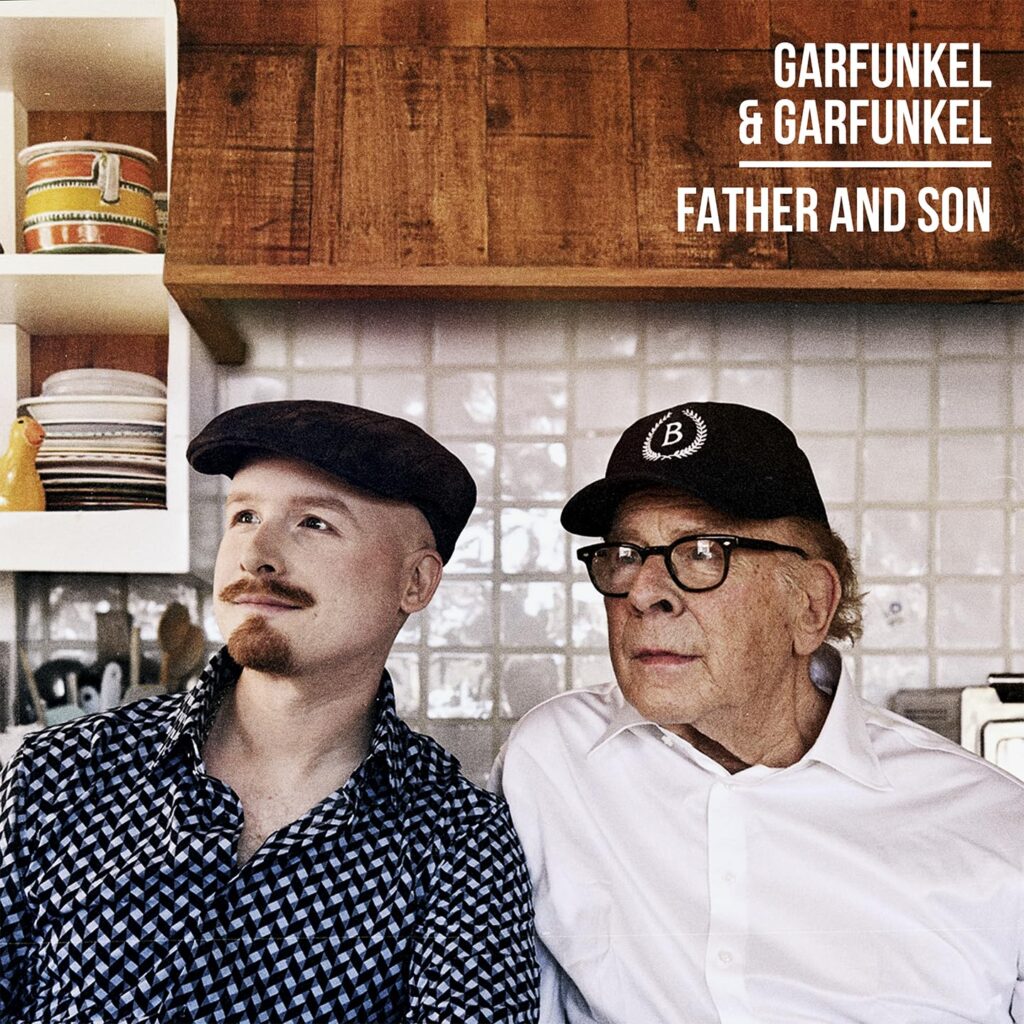
Happy Father’s Day to all you Dads out there! I thought I’d give a shout-out to Art Garfunkel and his son’s album, Father and Son. Take a listen to Art Garfunkel and son singing “Time After Time.” Sounds good but Art Garfunkel has not aged well…