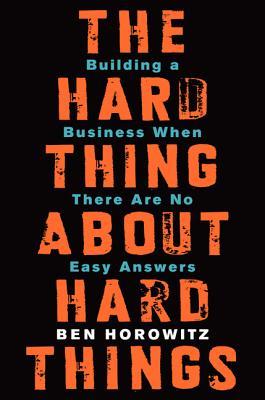
THE HARD THING ABOUT HARD THINGS By Ben Horowitz

the hard thing about hard things
Ben Horowitz is a venture capitalist. But before he was in the position to invest in other companies, he ran his own. Horowitz writes about the difficult decisions every entrepreneur needs to make: who to hire, who to fire (and how), and how to be a leader. The Hard Thing About Hard Things: Building a Business When There Are No Easy Answers shows how Ben Horowitz dealt with problems. The refreshing aspect of this book is Horowitz shows how he made Good Decisions, but he also shows how he made Bad Decisions…and how he learned from his mistakes. I came away with a new appreciation of how difficult it is to succeed in business today. It takes someone like Ben Horowitz with his years of experience to reveal the minefields in running a business. There’s plenty of wisdom in this book. GRADE: B+
TABLE OF CONTENTS
Introduction
Chapter 1: From Communist to Venture Capitalist
Chapter 2: “I Will Survive”
Chapter 3: This Time With Feeling
Chapter 4: When Things Fall Apart
Chapter 5: Take Care of the People, the Products, and the Profits–In That Order
Chapter 6: Concerning the Going Concern
Chapter 7: How to Lead Even When You Don’t Know Where You Are Going
Chapter 8: First Rule of Entrepreneurship: There Are No Rules
Chapter 9: The End of the Begining

THE WILD WILD WEST: THE COMPLETE SERIES

the wild wild west
The Wild Wild West: The Complete Series is on sale at AMAZON for 29.99 (retail price $99.99). All four seasons of The Wild Wild West are here on 27 DVDs. Each episode in introduced by Robert Conrad. This quirky western series showed up in 1965 just other western TV series were folding. The Wild Wild West garnered a loyal following who appreciated the wacky plots and surreal characters. If you were a fan of this western series, you can have all the episodes for a pittance! Buy now!

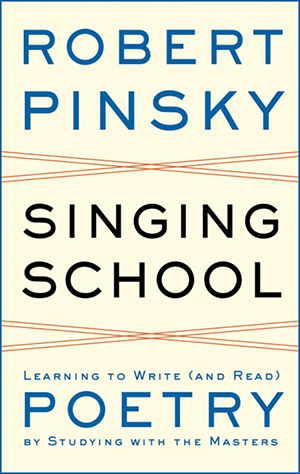
SINGING SCHOOL: LEARNING TO WRITE (AND READ) POETRY BY STUDYING WITH THE MASTERS By Robert Pinsky

singing school
Robert Pinsky’s book might not teach anyone to write (or read) poetry, but it presents an intriguing collection of poems. Pinsky includes one of greatest cat poems ever written, “Jubilate Agno” by Christopher Smart featuring his cat, Jeoffrey. These collections of poetry try to cover all the bases. Plenty of variety, plenty of different styles. After reading Frank O’Hara’s “Why I Am Not a Painter” I want to read more of his poems. Pinsky provides some interesting information on the poets and their poems. If you’re in the mood for an entertaining collection of poetry, Singing School is it. How many of these poets are you familiar with? GRADE: B+

TABLE OF CONTENTS
Preface
I. FREEDOM
Introduction
FRANK O’HARA, “Why I Am Not a Painter”
Michaelangelo, “On Painting the Sistine Chapel Ceiling”
MARIANNE MOORE, “Silence”
ANONYMOUS, “The Old Cloak”
GREGORY CORSO, “Marriage”
EMILY DICKINSON, “Because I Could Not Stop for Death”
STEVIE SMITH, “Thoughts About the Person from Porlock”
WILLIAM CARLOS WILLIAMS, “Fine Work with Pitch and Cooper”
KENNETH KOCH, “Variations on a Theme by William Carlos Williams”
ALAN DUGAN, “How We Heard the Name”
JAMES SHIRLEY, “The Glories of Our Blood and State”
EDWARD THOMAS, “Adlestrop”
ANDREW MARVELL, “Upon Appleton House”
JONATHAN SWIFT, “A Description of the Morning”
APHRA BEHN, “The Disappointment”
GERARD MANLEY HOPKINS, “God’s Grandeur”
JOHN WILMOT, “Upon Nothing”

II. LISTENING
Introduction
WALTER SAVAGE LANDOR, “On Love, on Grief”
GEORGE PEELE, “Betsabe’s Song”
H.D., “The Pool”
EDWIN ARLINGTON ROBINSON, “Eros Turannos”
BEN JONSON, “His Excuse for Loving”
BEN JONSON, “My Picture Left in Scotland”
ROBERT HERRICK, “Upon M. Ben Johnson”
GERARD MANLEY HOPKINS, “For Margaret”
THOMAS CAMPION, “Now Winter Nights Enlarge”
THOM GUNN, “Tamer and Hawk”
MINA LOY, from “Songs to Joannes,” I-III
WILLIAM CARLOS WILLIAMS, “To Waken an Old Lady”
ROBERT FROST, “To Earthward”
ROBERT FROST, “An Old Man’s Winter Night”
WALTER RALEGH, “Nature, That Washed Her Hand in Milk”
WALLACE STEVENS, “The House Was Quiet and the World Was Calm”
WILLIAM BUTLER YEATS, “Adam’s Curse”
EMILY DICKINSON, “The Soul Selects Her Own Society”

III. FORM
Introduction
ANONYMOUS, “The Cruel Mother”
ANONYMOUS, “The Man of Double Deed”
CHIDIOCK TICHBORNE, “My Prime of Youth Is but a Frost of Cares”
SAPPHO, “Artfully Adorned Aphrodite”
WILLIAM CARLOS WILLIAMS, “To a Poor Old Woman”
THOMAS NASHE, “In Time of Plague”
H.D., “Sea Rose”
WILLAIM BLAKE, “A Question Answered”
CHRISTOPHER SMART, from “Jubilate Agno”
FULKE GREVILLE, “Elegy for Philip Sidney”
ALLEN GINSBERG, from “Howl” II
MAY SWENSON, “Question”
LANGSTON HUGHES, “The Negro Speaks of Rivers”
GEORGE GASCOIGNE, “The Lullaby of a Lover”
GEORGE HERBERT, “Church Monuments”
THOMAS HARDY, “During Wind and Rain”

IV. DREAMING THINGS UP
Introduction
ELIZABETH BISHOP, “The Weed”
GEORGE HERBERT, “Love Unknown”
ROBERT SOUTHWELL, “The Burning Babe”
THOMAS HARDY, “The Self-Unseeing”
JOHN CROWE RANSOM, “Captain Carpenter”
JORGE DE LIMA, “The Big Mystical Circus”
ROBERT HERRICK, “The Shooe Tying” and “To God, on His Sicknesse”
WALLACE STEVENS, “Madame La Fleurie”
WILLIAM COWPER, “Epitaph on a Hare”
LOUISE BOGAN, “Women”
STERLING BROWN, “Harlem Happiness”
ELIZABETH I, “When I Was Fair and Young”
WALT WHITMAN, “Vigil Strange I Kept on the Field One Night”
SYLVIA PLATH, “Nick and the Candlestick”
WILLIAM SHAKESPEARE, “The Phoenix and the Turtle”
BIBLE, Samuel 2, “David’s Lament for Saul and Jonathan”
LEWIS CARROLL, “Jabberwocky”
WILLIAM BUTLER YEATS, “The Lake Isle of Innisfree”
EZRA POUND, “The Lake Isle”
EZRA POUND, “The River-Merchant’s Wife: A Letter”
JOHN MILTON, “Methought I saw my late espoused saint”
WILLIAM BUTLER YEATS, from “A Woman Young and Old,” IV: “Her Triumph”
JOHN KEATS, “”Ode to a Nightingale”
MARIANNE MOORE, “Poetry”
JOHN KEATS, “On First Looking into Chapman’s Homer”
Biographies
Acknowledgements
Permissions
Index

THE MENTALIST: SEASON SIX FINALE

the mentalist season 6
CBS just renewed The Mentalist for a seventh season. I wouldn’t have made that decision if I were a CBS executive. Season Six was disappointing as the quirky crime consultant, Patrick Jane (Simon Baker) finally dealt with his nemesis, the serial killer Red John. Then there was a “reboot” as the series shed some characters and added new ones. The setting was shifted from California to Texas. The cases became more serious–not a good thing. I enjoyed the “funny” episodes of The Mentalist the most. When The Mentalist returns in the Fall, I won’t be watching.

GODZILLA

GODZILLA
Fans of puny humans scurrying around like ants as giant monsters battle, rejoyce! Godzilla features several epic scenes of mass urban destruction. I would have liked to see more of David Strathairn and Byran Cranston. The talented Juliette Binoche isn’t given much to do. This is not an actors’ movie, it’s a monster movie. Spectacle, explosions, and action are at the forefront of this movie. Movies like Godzilla are metaphors for our fears: global warming turning Miami into Atlantis, climate change that will render much of the southern U.S. unlivable, antibiotic-resistant diseases, terrorists with nukes, etc. But I just ate my popcorn and enjoyed an entertaining Summer Movie. GRADE: B

FORGOTTEN BOOKS #269: Crime Novels: American Noir of the 1950s: The Killer Inside Me / The Talented Mr. Ripley / Pick-up / Down There / The Real Cool Killers Edited by Robert Polito

crime novels
For this Friday’s Forgotten Books, I decided to go with the Library of America’s volume of American Noir of the 1950s. Jim Thompson’s The Killer Inside Me (1952), Patricia Highsmith’s The Talented Mr. Ripley (1955), Charles Willeford’sPick-Up (1957), David Goodis’ Down There (1956), and Chester Himes’ The Real Cool Killers (1959) surveys the noir crime novels of the Fifties. Jim Thompson’s The Killer Inside Me is a chilling psychological novel. The Talented Mr. Ripley features the amoral Tom Ripley who doesn’t hesitate to kill for things he wants. Charles Williford’s Pick-Up explores the limits of love in San Francisco. David Goodis’ Down There inspired Truffaut’s Shoot the Piano Players. Coffin Ed Johnson and Grave Digger Jones, Harlem detectives, bring their own special brand of nihilistic humor to The Real Cool Killers. There’s a broad range of styles in these noir classics. They are all highly recommended! This is a terrific collection.

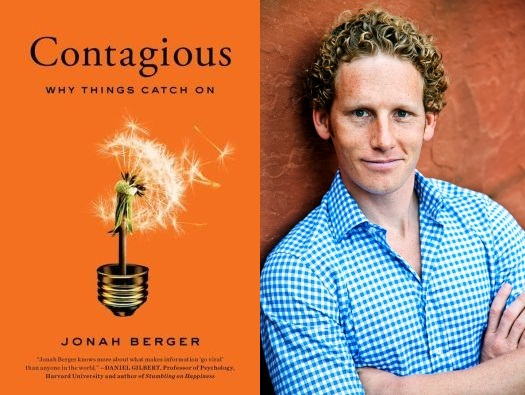
CONTAGIOUS: WHY THINGS CATCH ON By Jonah Berger

contagious
Jonah Berger’s insightful book into the secrets of marketing holds plenty of astute advice for anyone wanting to sell their books, ideas, and products. Berger’s analysis of social media uses to sell products and services makes a lot of sense. Contagious is a book you can dip into and find plenty of information on how to build an audience and provide what they need and want. Jonah Berger supplies plenty of examples of how each technique and approach works. If you want to sell something, start a small business, or entice people to buy more of your “stuff” this book will tell you how to do it. GRADE: B+
TABLE OF CONTENTS
i. Introduction/Synopsis

1. An Introduction to Contagiousness
◾a. If You Want Your Message to Spread, You Need to Get People Talking, and Imitating
◾b. The STEPPS
2. Social Currency
◾a. On the Importance of Appearances
◾b. The Appeal of the Remarkable
◾c. Manufactured Remarkability
i. Snapple
ii. Blendtec
◾d. On the Importance of Status
i. Our Accomplishments
ii. What Distinguishes Us
3. Triggers
◾a. Top of Mind, Tip of Tongue
◾b. Indirect Triggers
◾c. Natural and Artificial Triggers
i. Wassup?
◾d. When Triggers Influence Behavior
i. Mars Bars, and the Planet Mars
ii. The Effect of Music on Wine Sales
iii. Kit Kat and Coffee
◾e. Diluted Triggers
4. Emotion
◾a. Awe
◾b. Sadness
◾c. Positive and Negative Emotions
◾d. Low Arousal and High Arousal Emotions
◾e. Focusing on Emotions
i. The ‘Three Whys’
5. Public
◾a. Monkey See, Monkey Do
◾b. Solving Binge-Drinking at American Universities
◾c. The Movember Movement
◾d. Livestrong and the Yellow Wrist-Band Campaign
6. Practical Value
◾a. What’s Useful Gets Spread
◾b. Giving Advice
7. Stories
◾a. People Love Stories
◾b. Stories in Advertising: Subway
◾c. Valuable Virality
8. Conclusion

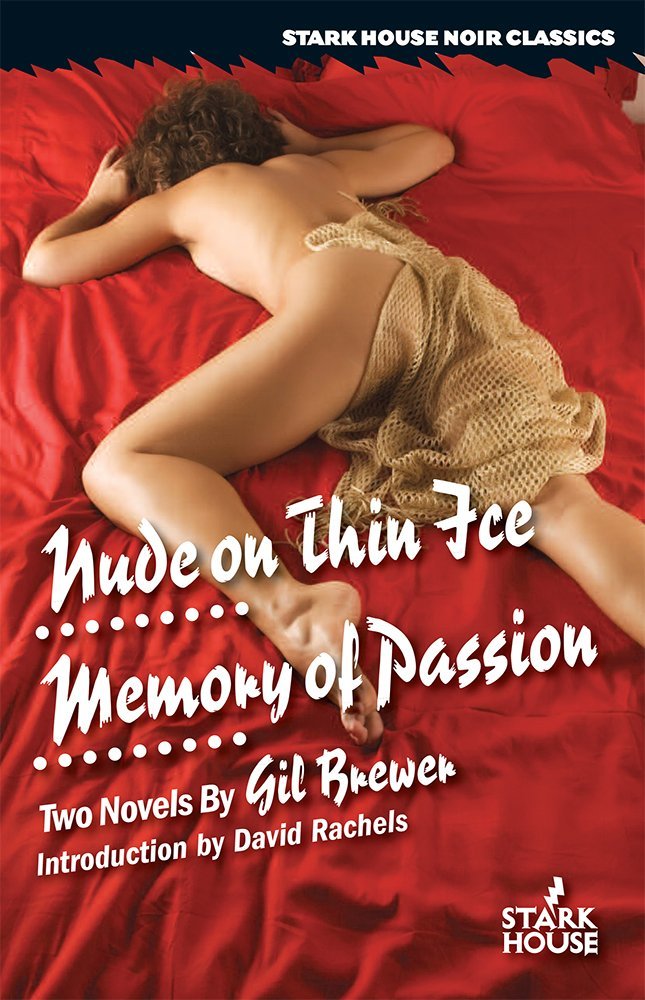
NUDE ON THIN ICE/MEMORY OF PASSION By Gil Brewer

brewer_nude-on-ice-memory-of-passion_shp
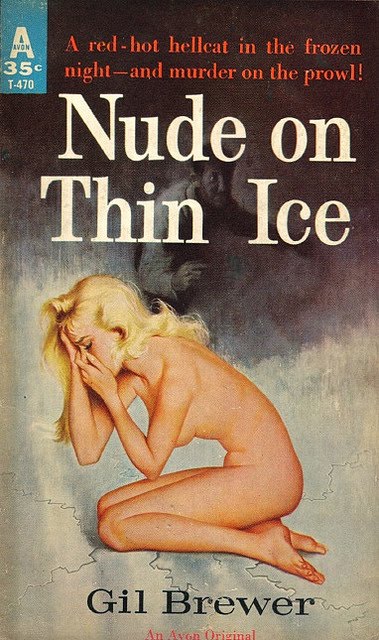
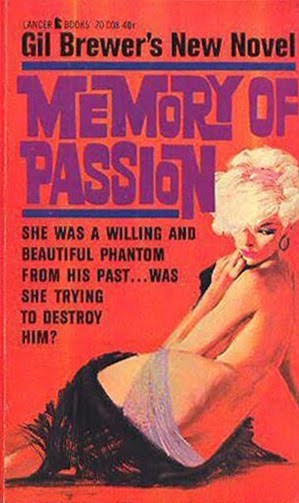
Once again, Stark House deserves praise for returning Nude On Thin Ice and Memory of Passion to print. There’s been a bit of a Gil Brewer revival the past couple of years. I’ve also reviewed Gil Brewer’s short story collection, Redheads Die Quickly here. Nude On Thin Ice is the first Gil Brewer novel I’d ever read (see the original cover artwork below) back in the 1960s. I’ve read many more of Brewer’s novels, some very good and others not so much. Nude On Thin Ice is one of Gil Brewer’s better noir novels. Memory of Passion has a twisty plot and a serial killer. I found David Rachels’ useful Introduction informative. If you’re looking for your noir fix, you’ll find it here. GRADE: B+
Brewer, Nude on Thin Ice
Brewer, Memory of Passion

HILL STREET BLUES: THE COMPLETE SERIES

hill street blues
Hill Street Blues, first broadcast in 1981 on NBC, was not an instant hit. The drama had an ensemble cast, it used hand-held cameras that gave the episodes a documentary feel, and the dialogue had a natural flow that was unusual for TV dramas at that time. Most episodic crime dramas were self-contained. Hill Street Blues featured “long-form” storylines that extended over several episodes, another unusual feature at that time. But after a couple of seasons and several Emmy Awards, the TV audience found Hill Street Blues and stayed with it for seven seasons. This box set of the complete series includes all 144 episodes. Special features include:
THE HISTORY OF HILL STREET: Steven Bocho and others talk about the creation of the show; INTERVIEWS WITH THE OFFICERS: Featuring cast members James B. Sikking, Dennis Franz, Bruce Weitz, Charles Haid and Dennis Dugan.
WRITERS ON THE HILL:A Discussion with Steven Bochco, Robert Crais, Jeffrey Lewis and Alan Rachins about writing for the show.
ROLL CALL: Looking back on HILL STREET BLUES
GAG REEL
FOUR EPISODE COMMENTARIES: Including Creator Steven Bochco, Actors James B. Sikking, Joe Spano, Bruce Weitz, Charles Haid and Dennis Dugan, Writer Jeffrey Lewis and Story Consultant Robert Crais.
Commemorative 24-page book.
GRADE: A+

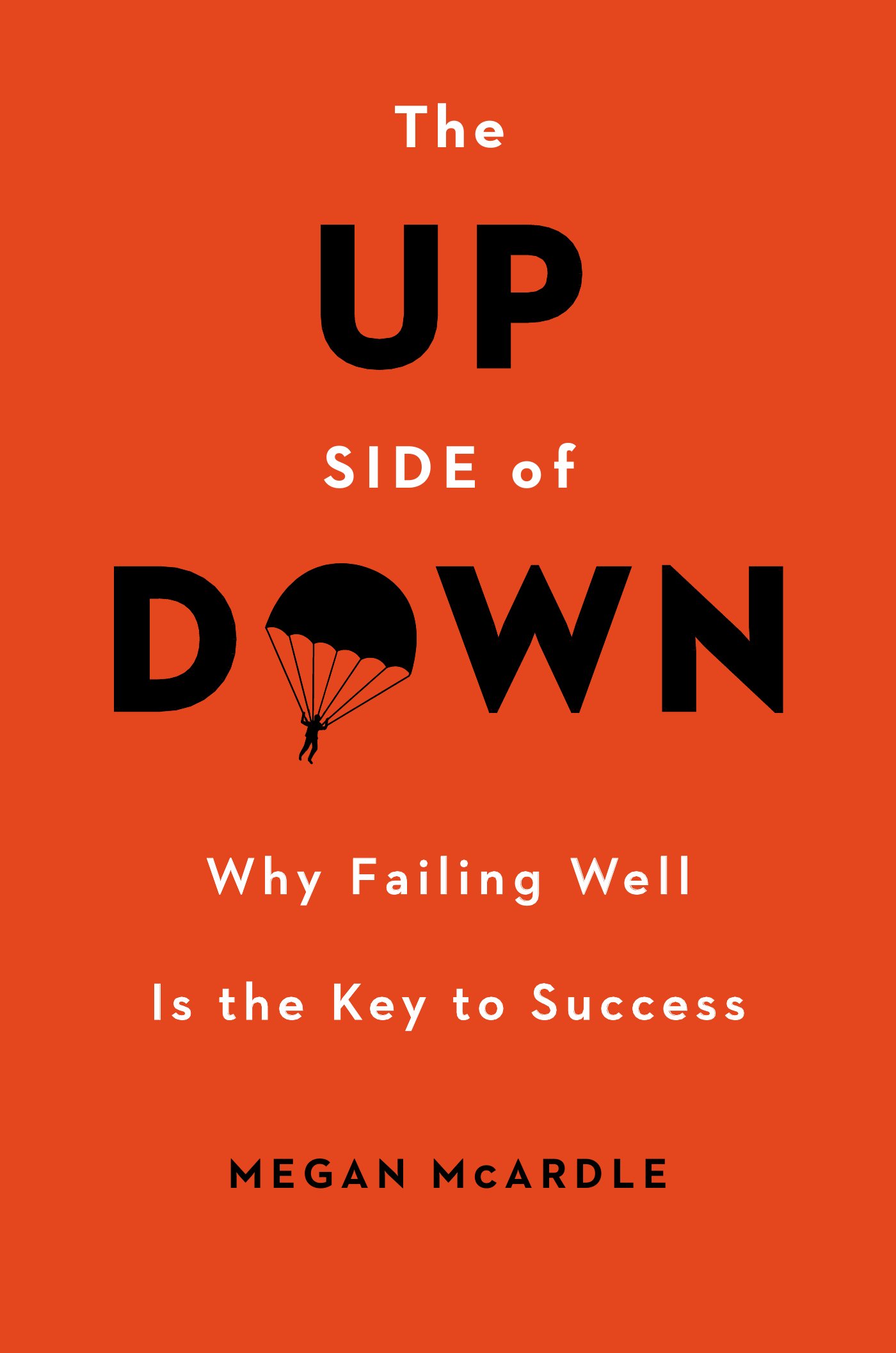
THE UP SIDE OF DOWN: WHY FAILING WELL IS THE KEY TO SUCCESS By Megan McArdle

the upside of down
Megan McArdle’s practical and entertaining book is full of great stories of people who fail initially, but then succeed spectacularly. McArdle also shows why we fail. Many times, it’s because we’re trying to accomplish complicated tasks where one wrong move can ruin everything. McArdle uses her own life as an example in a couple of cases. McArdle’s mother complained of an upset stomach. McArdle and her sister mishandled the mother’s distress until they were forced to take her to the ER. More went wrong: a botched CT scan, an X-ray misread, and a plugged drain that was supposed to remove infected fluids. But then some things went right. The surgeon correctly diagnosed AcArdle’s mother’s burst appendix. And, fortunately, a special antibiotic was available that saved her life.

McArdle’s other personal story was about her breakup with a boyfriend. Plenty went wrong, but McArdle was prone to misunderstanding the concept of “sunk costs” in trying to solve her problems. There are some great tips about reducing failures and coping with failures. McArdle’s breezy writing style and comprehensive research makes The Up Side of Down a practical book. GRADE: A
TABLE OF CONTENTS:
Preface
1 Failure Is Fundamental
How a Brain Scientist and a Psychologist Helped Me Stop Procrastinating
2 The Virtuous Society
What Two Economists and an Anthropologist Can Teach Us about Free Markets
3 The Experimenters
Why There Are No Guarantees in Hollywood or Silicon Valley
4 Accidents, Mistakes, Failures, And Disasters
What the Hospital System Can Teach Us about the Mistakes We Make
5 Crisis
What a Bad Breakup Can Tell Us about the GM Bailout
6 Admitting You Have A Problem
What Gamblers Anonymous Could Have Taught Dan Rather
7 Getting Unstuck
Adopting the Way of the Shark
8 Blame
Blamestorming and the Moral of the Financial Crisis
9 Punishment
Why Consistency Is the Secret to Breaking Bad Behavior
10 Forgiveness
How I Learned to Stop Worrying and Embrace Easy Bankruptcy (Though Not Personally)

Coda
Acknowledgments
Notes
Index