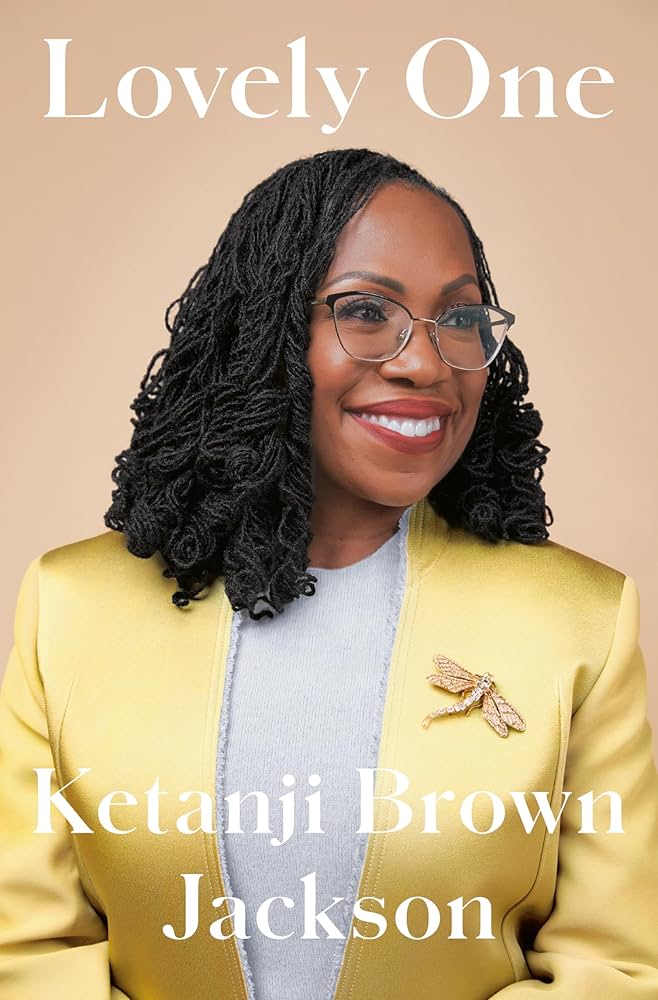
The confluence of Black History Month and the Supreme Court upending the Trump Tariffs led me to move Supreme Court Justice Ketanji Brown Jackson’s memoir to the top of the READ REAL SOON stack.
Ketanji Brown Jackson is the first Black woman appointed to the Supreme Court of the United States. Lovely One tells the story of a family that went from segregation to a seat on the Supreme Court in one generation. It really is an American success story.
From the start with the naming of a little girl–she was named “Ketanji Onyika,” meaning “Lovely One,” based on a suggestion from her aunt–to being raised by parents who were teachers, the path to success was set at an early age. Jackson excelled in school which led her to graduating magna cum laude from Harvard.
The typical struggles of a woman in the legal profession, the tortured path to becoming a skilled lawyer while juggling marriage and motherhood should inspire all of us.
If you’re looking for a memoir with insights and inspiration, Lovely One celebrates justice, equality, and the American Dream. GRADE: A
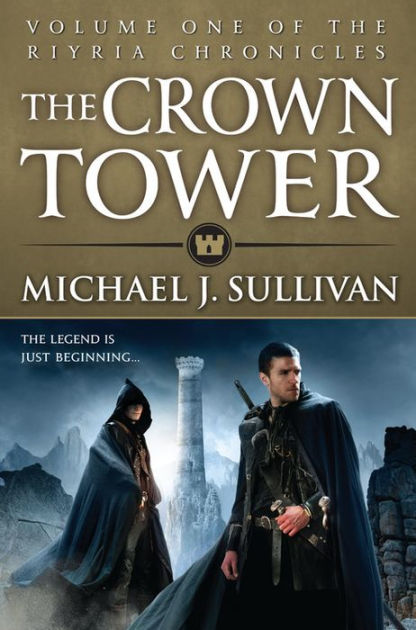
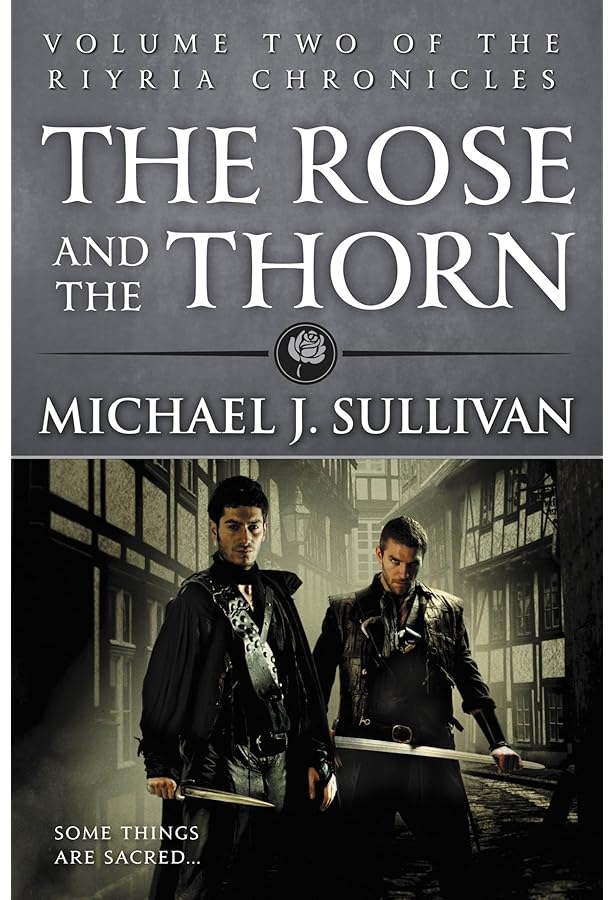
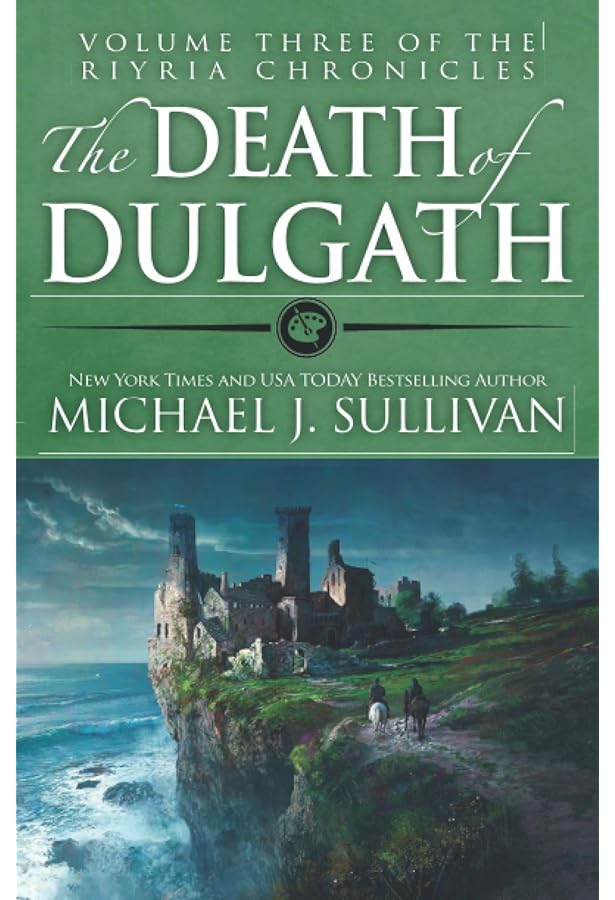
Michael J. Sullivan found success with his Riyria Revelations series–Theft of Swords (2011), Rise of Empire (2011), and Heir of Novron (2012)–and made the surprising decision to write prequels to his series.
The Crown Tower (2013), The Rose and the Thorn (2013) and The Death of Dulgath (2015) tell the story of how Royce Melborn, a skilled thief, and his former soldier partner, Hadrian Blackwater, became partners. The Riyria Chronicles reveals the backstory of the two heroes of the Riyria Revelations.
Royce Melborn is a shadowy figure, quick and silent as a master thief should be. Hadrian Blackwater, whose blacksmith father trained him to be a fighter, has an opposite personality.
Initially, both men disliked and distrusted each other. But, when forced to work together, Royce and Hadrian found the benefits of each others skill set.
The Crown Tower (2013), the name of a formidable fortress, holds a book Royce and Hadian must steal. Along with this mission, there are treacherous nobles who seek to assassinate the King. Royce and Hadian get involved in that plot, too. GRADE: B
The Rose and the Thorn (2013) starts with Gwen DeLancy, a woman who saves Royce and Hadrian from certain death. We learn about Royce’s relationship with Black Diamond, a sinister criminal organization. And, of course, there’s murder, betrayal, and intrigue among the nobles. GRADE: B-
The Death of Dulgath (2015) begins with Royce and Hadrian hired by a Church leader and a nobleman to advise them on how to assassinate the last member of the oldest noble family in Avryn. Two assassination attempts have failed so Royce and Hadrian provide assassination schemes sure to succeed. But both men are troubled by the situation. And Royce learns a secret about his Past. GRADE: B+
Sword fights, romance, conspiracies, and narrow escapes make this series escapist fun!
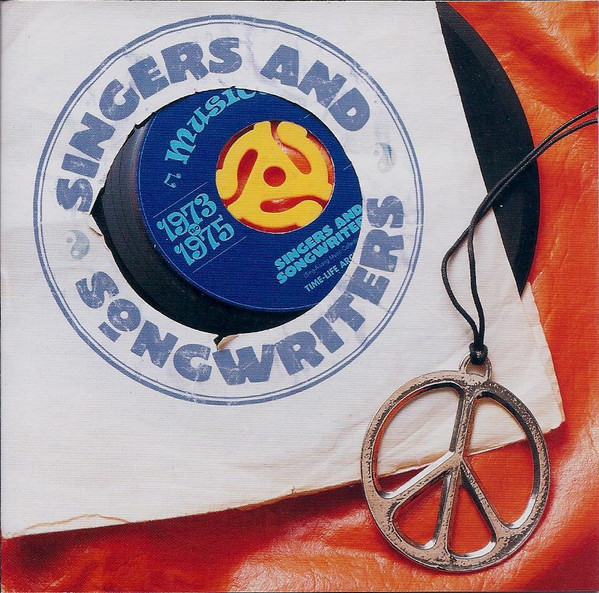
Some of my favorite music comes from the Seventies. Singers and Songwriters: 1973-1975 (2002) includes the usual Great Hits…and slush. “Desperado” is one of Linda Ronstadt’s best songs. “Send in the Clowns” by Judy Collins is a classic. One Hit Wonder group, Blue Swede, gave us “Hooked on a Feeling” that still gets some airplay on our local Oldies radio station today.
Of course, there are plenty of duds like “Tie A Yellow Ribbon ‘Round The Ole Oak Tree” by Tony Orlando & Dawn–a song that grates on me every time I hear it because of years of “over playing” by radio and TV. And weak One Hit Wonders like Bo Donaldson and The Heywoods’ “Billy, Don’t Be A Hero” and Paper Lace’s “The Night Chicago Died.”
Another hit and miss compilation. Do you remember these songs? Any favorites here? GRADE: B-
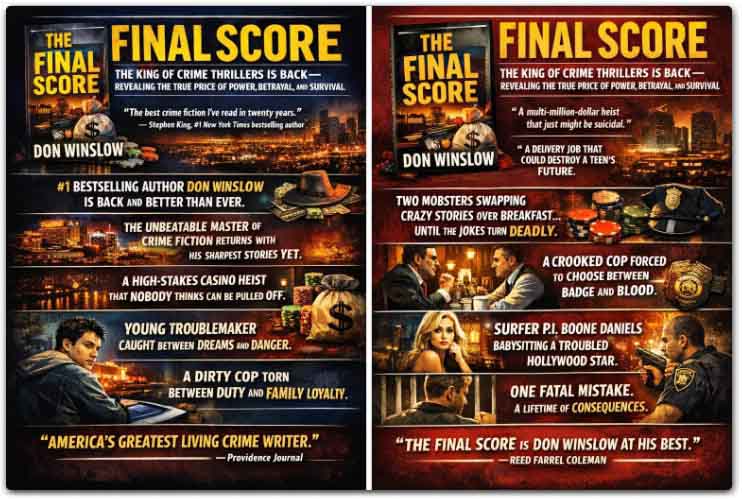
I’ve read several of Don Winslow’s works over the years ( you can read my reviews: Satori here, The Power of the Doghere, The Cartelhere,The Gentleman’s Hour here, and The Dawn Patrol here). The Final Score is a collection of six crime stories that cover a lot of ground.
My favorite story in The Final Score is the title story. I love capers and “The Final Score” could have been written by Donald E. Westlake. A professional thief about to go to prison for a Long Time decides he needs one more Big Score to make sure his wife is set for life while he’s doing a life sentence. The nearby casino is a laundry for millions of dollars of drug money and seemingly invincible. But, there’s always a flaw in any security system.
The planning is crafty and the ending has all the drama you would want.
On the cover of The Final Score there’s a Stephen King blurb: “The best crime fiction I’ve read in twenty years.” Reed Farrell Colman agrees. GRADE: B+
Table of Contents:
Forward by Reed Farrel Coleman — xi
The Final Score (A high-stakes casino robbery) — 1
The Sunday List (Caught between dreams and danger) — 41
The North Wing (A patrolman faces a loyalty dilemma regarding his cousin) — 77
True Story (Mob associates sharing tales) — 117
The Lunch Break (Features PI Boone Daniels) — 153
Collision (A family man’s desperate situation) — 193
I thought many of you might enjoy this survey of American films. Remember, these are “influential” films, not “Best” films. How many have you seen?
1910s:
“The Birth of a Nation” (1915): D.W. Griffith’s film, often referred to as the first feature-length film, at 192 minutes, is also considered American cinema’s most racist film. Based on the play “The Clansman,” and the 1831 uprising of a slave community, it reflects their Jim Crow-era struggles.
“Intolerance” (1916): Another D.W. Griffith film, with four separate stories of intolerance, spanning 2,500 years and using groundbreaking cinematic techniques, it is Griffith’s reaction to the backlash to the racism in his “Birth of a Nation.”
Also: “Wild and Woolly” (1917) satirizes the romance of the Wild West as the frontier era is ending. “Stella Maris” (1918) centers on women’s lives and social disparities as World War I sees more women working in Hollywood filmmaking.
1920s:
“Sunrise: A Song of Two Humans” (1927): A silent film, it is notable for its pioneering synchronized score and sound effects that enhanced a love story about the temptation of glitzy city life in the new, freer flapper era. It is accompanied by the first talking newsreel, giving it a box-office boost, and won three Oscars.
‘Sunrise: A Song of Two Humans,’ with George O’Brien and Janet Gaynor, 1927. 20TH CENTURY FOX/EVERETT COLLECTION
“The Jazz Singer” (1927): A tale of rebellion—a son who wants to sing in a saloon rather than a synagogue—it reflects the many second-generation immigrants shaking off old-world expectations for modern, secular lives. Though often remembered for Al Jolson’s “Mammy” blackface performance, it is groundbreaking as a cinema “talkie.” It receives only an “honorary” Oscar, as its new Vitaphone technology is thought to give it an unfair advantage in other categories.
Also: “Safety Last” (1923), in which Harold Lloyd’s ambitious striver hangs from a skyscraper’s clock, as urban skylines are growing alongside workers’ ambitions and frustrations.
1930s:
“Modern Times” (1936): At a time when unemployment and paranoia about communism were both high, Charlie Chaplin’s Little Tramp literally gets pulled into the gears of the factory machine and bumbles into police skirmishes, blending slapstick and social commentary.
‘Modern Times’ with Charlie Chaplin, 1936. EVERETT COLLECTION
“You Can’t Take It With You” (1938): A corporate titan reconsiders his ways in this class-differences rom-com, a not-surprisingly popular theme in the Great Depression. Based on the Pulitzer-winning play, it is a box-office success and earns Frank Capra his third Oscar directing award.
Also: “Jezebel” (1938) examines women defying norms by setting the story in the Antebellum South with its antiquated expectations for proper Southern belles; Bette Davis takes home an Oscar for it.
1940s:
“Citizen Kane” (1941): Some critics call this movie a master class in technique, but it’s also a treatise on the power of the media and the wealthy—all from a 25-year-old Orson Welles. Based on William Randolph Hearst, whom audiences would have seen using his media empire to blast FDR and his “raw deal,” the film shows great riches coming at the cost of true happiness.
“Casablanca” (1942): This wartime drama is well-timed: The release date is pushed earlier to take advantage of the actual capture of Casablanca. Combined with its very American, “easy, can-do spirit,” says Minow, and its Hollywood star-system casting of Humphrey Bogart and Ingrid Bergman, it remains popular today.
“The Best Years of Our Lives” (1946): One of the first popular movies about the struggles of re-entry for military men returning home, it wins the best picture Oscar for director William Wyler and is one of the highest-grossing films that year.
Also: “Rebecca” (1940) reflects the uncertain role of women in the interwar period via a woman living in the shadow of her husband’s former wife in Alfred Hitchcock’s first American film. “Bambi” (1942) gives wartime audiences an escape to nature and the animated world, sourced from a novel banned by the Nazis.
1950s:
“On the Waterfront” (1954): This story of life on the New Jersey docks features people standing up to the machine, in this case businesses, unions and the mob, echoing newspaper headlines of the time. Director Elia Kazan’s crime drama takes the Oscar and Marlon Brando also wins for his portrayal of dockworker Terry Malloy.
‘On the Waterfront’ with Marlon Brando, 1954. EVERETT COLLECTION
“The Bridge on the River Kwai” (1957): This war film, an American-British co-production, examines the treatment of POWs forced by their Japanese captors to erect a supply bridge; it takes seven Oscars as audiences love its gripping test of wills and physical endurance.
Also: “All About Eve” (1950) comes as the Hollywood star system is waning, but audiences remain obsessed with the pursuit of fame. “Rear Window” (1954) brings a focus on urban alienation as cities grow and neighbors become anonymous.
1960s:
“West Side Story” (1961): This Romeo and Juliet tale of Tony and Maria and rival gangs, the Sharks and the Jets, takes 10 Oscars, as old dynamics play out with new immigrant groups arriving in the American melting pot. (Natalie Wood as Puerto Rican gives some modern audiences pause.)
“Butch Cassidy and the Sundance Kid” (1969): Some critics chafe at this reinvention of the classic western, but rebellion-minded audiences love the charming chemistry between Robert Redford and Paul Newman and the Oscar-winning score from Burt Bacharach.
Also: “Bonnie and Clyde” (1967) gives audiences antiheroes to project their counterculture angst onto, while in “The Graduate” (1967), Dustin Hoffman’s character channels a young generation’s disillusionment with materialism and sexual convention.
1970s:
“The Last Picture Show” (1971): Critic Roger Ebert’s review quips that it was the best film of 1951, making the point that director Peter Bogdanovich doesn’t simply use period details and songs to create nostalgia, but goes further by creating the visual feel of the era in his black-and-white film about the hollowing out of small-town America.
“The Godfather Part II” (1974): Critics didn’t universally love the second of Francis Ford Coppola’s film trilogy. Yet the flashback sequences to Vito Corleone’s arrival in America give it resonance for a country built on immigration, and the film is now almost universally considered the best of the three.
Also: “One Flew Over the Cuckoo’s Nest” (1975) appeals to a generation questioning institutions’ power over individual freedoms. “Rocky” (1976) is the underdog guy whom cynical audiences are craving in the era of Watergate. “Network” (1977) speaks to audiences concerned about the effect of media-company consolidation and the move to “infotainment.” “Kramer vs. Kramer” (1979), with divorce rates on the rise, mirrors the changing role of fatherhood, with Meryl Streep and Dustin Hoffman as the grappling parents.
1980s:
“Raiders of the Lost Ark” (1981): American film has no shortage of swashbucklers, but audiences especially love the idea that an everyman, in this case Harrison Ford as an archaeology professor, can become an action hero who races against Nazis to score a biblical artifact and save the world. “Raiders” also ushers in an era of box-office action movies with financially successful sequels.
“Do the Right Thing” (1989): When it is released, some suggest Spike Lee’s movie will spark riots with its focus on the complexities of race relations in one Brooklyn neighborhood. Instead, it sparks conversations that continue today. It brings multidimensional Black characters, a nuanced depiction of the barriers to doing the right thing, and predicts the anger simmering years before the Crown Heights and Los Angeles race riots.
Also: “Tootsie” (1982): The gender-bender plot illustrates, with sharp hilarity, society’s biases in the workplace, a decade before Anita Hill and the Smith Barney “boom-boom room.” “Blade Runner” (1982) finds success only later, as audiences of the fast-pace 1980s find it slow and brooding.
1990s:
“Boyz in the Hood” (1991): The coming-of-age story of friends in the growing gang culture of South Central Los Angeles isn’t only a financial success—launching the careers of a half-dozen Black actors—but it sees John Singleton become the youngest filmmaker and first Black person to be nominated for a best-director Oscar, signaling an era in which creators of color began to have a place at the table.
“Pulp Fiction” (1994): Quentin Tarantino’s wild, violent tale sweeps in as part of the 1990s indie boom. Structurally and tonally, it’s a far cry from the crowd-pleasing American blockbusters of the 1980s, yet it is a box-office success and reflects that audiences were ready for artier movies as mainstream entertainment.
2000s:
“There Will be Blood” (2007): Paul Thomas Anderson directs Daniel Day-Lewis as a ruthless prospector clashing with a hypocritical preacher—a decade after the fall of televangelists Jim Bakker and Jimmy Swaggart—in the California oil boom in a tale of greed, capitalism and the American dream gone rotten.
“The Dark Knight” (2008): Post-9/11 unease breeds the desire for heroes, and the second film of Christopher Nolan’s resurrected Batman, with the addition of actor Heath Ledger as the Joker, brings a wild operatic sweep to the franchise and adds to the rise of the superhero genre in general.
Also: “The Departed” (2006) sees police captain Alec Baldwin chanting “Patriot Act! Patriot Act! I love it! I love it! I love it!”—leaving no mystery to the political winds of the time.
2010s:
“12 Years a Slave” (2013): The unflinching, brutal true story of a man born free, captured and sold into slavery, it reflects the position that electing a Black U.S. president didn’t make America post-racial.
“Get Out” (2017): Filmmaker Jordan Peele brings a psychological horror movie twist to race relations, as a Black man has a bizarre encounter with his white girlfriend’s family, using horror tropes to suggest a dark side to performative white allyship.
Also: “Moneyball” (2011), with its sabermetrics approach to baseball, reflects the rise of consultancies and data-driven decision-making. “Gravity” (2013), through Sandra Bullock’s lone experience in space, shows the isolation and loneliness epidemic of the modern high-tech world. “Brooklyn” (2015) uses a historical setting to highlight the emotions around the immigrant experience, premiering the same year as the European refugee crisis.
2020s:
“Oppenheimer” (2023): This ambitious film about J. Robert Oppenheimer, father of the atomic bomb, is released as media headlines dub the AI boom an “Oppenheimer moment” of technological advancement and ethical dilemmas.
“Barbie” (2023): The other half of the “Barbenheimer” phenomenon, filmmaker Greta Gerwig creates a playful comedy to analyze the expectations placed on modern American women, at a time when postpandemic audiences are craving nostalgic, empowering experiences.
Also: “Everything, Everywhere, All at Once” (2022) highlights the digital overload of modern life, along with the pressures within Asian-American communities. “Killers of the Flower Moon” (2023) is released the same year the Supreme Court affirms the constitutionality of the Indian Child Welfare Act, and Native American communities confront problems with voting access.
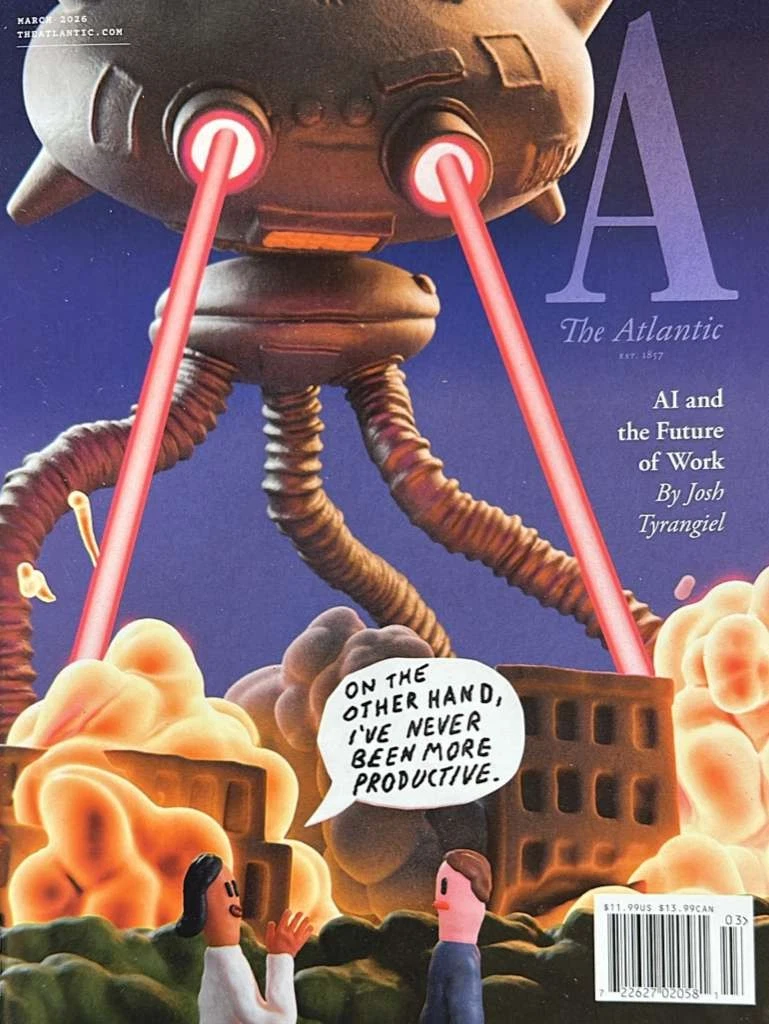
AI AND THE FUTURE OF WORK By Josh Tyrangiel warns about the effects of Artificial Intelligence on the labor markets. Soon, AI–which doesn’t require a salary, healthcare, vacations, and can work 24/7–will start replacing workers. Expect massive unemployment as AI will operate call centers and write software and operate factories, warehouses, and hospitals.
“Mass job loss doesn’t just mean unemployment, it means cascading defaults, shrinking consumer demand, and the kind of self-reinforcing downturn that can transform a shock into a crisis, and a crisis into the decline of an empire.” –Josh Tyrangiel
Just as the Internet and cell phones changed everything, Artificial Intelligence with upend our culture. Former students contact me, desperate because they’ve just been laid off and despite sending out dozens of resumes, few firms are hiring. What those firms are doing is investing in AI. Prepare for massive economic misery!
If you want to know more about the tsunami of despair ahead of us, you can watch The Terminator or read AI AND THE FUTURE OF WORK by Josh Tyrangiel. Are you worried about Artificial Intelligence? GRADE A
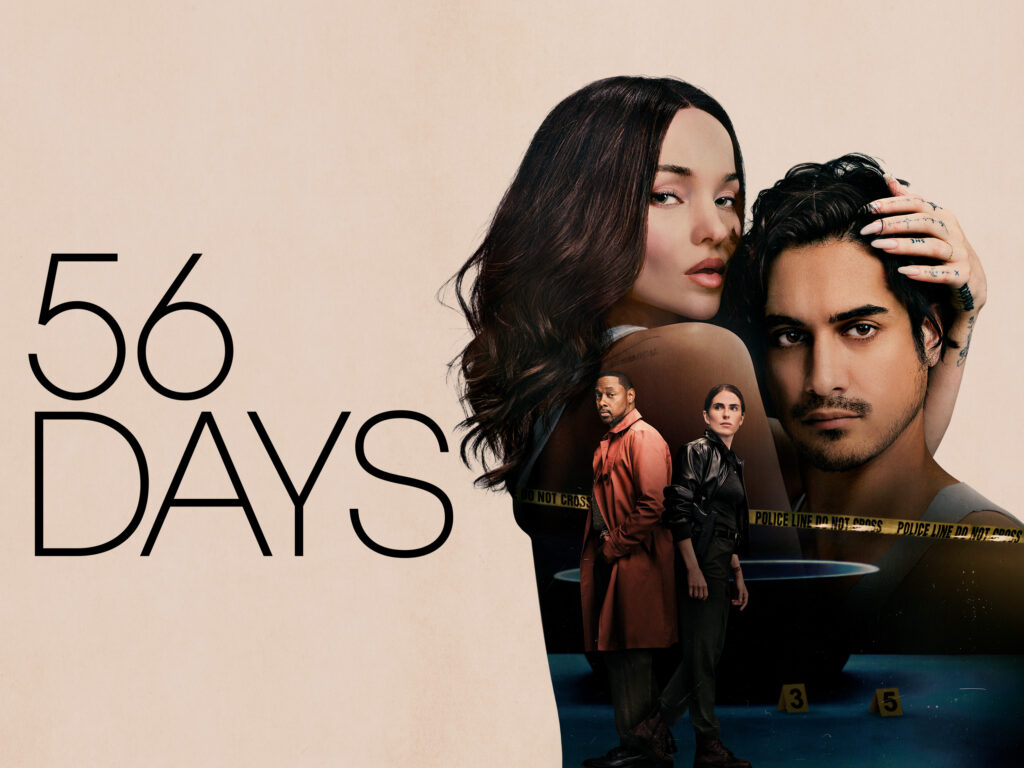
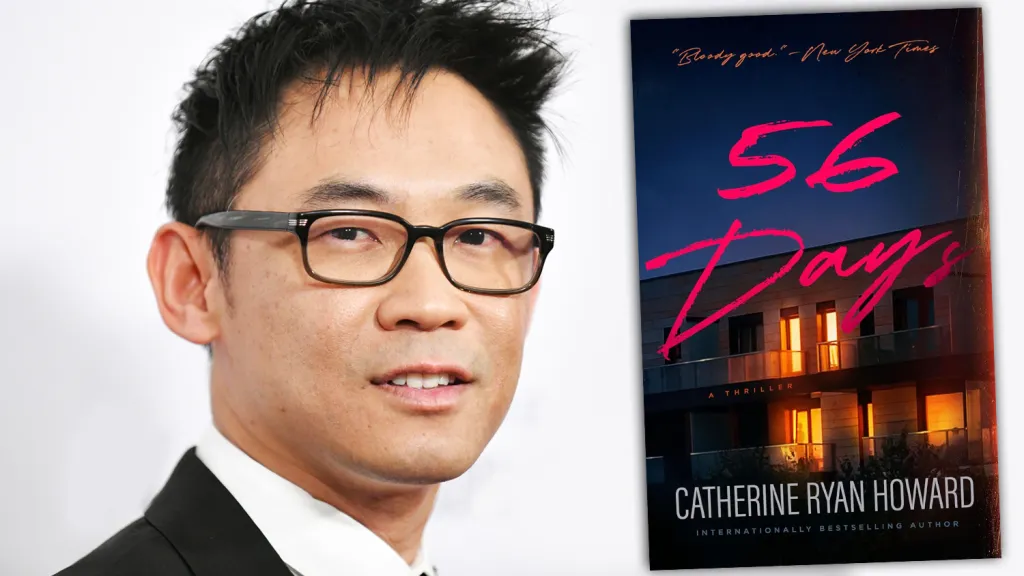
James Wan’s script gets trashed by Nandini Balial on Roger Ebert.com: “…the writing and direction are so dreadful that most of the cast cannot bring the story to life, so each of the eight 48-minute episodes feels like it lasts for hours.”
So this is not a review but a warning. If you took 9 1/2 Weeks and Gone Girl and put them in a blender, 56 Days would be the result. But not in a Good Way.
There isn’t all that much on TV worth watching, and this certainly isn’t one of them. GRADE: D
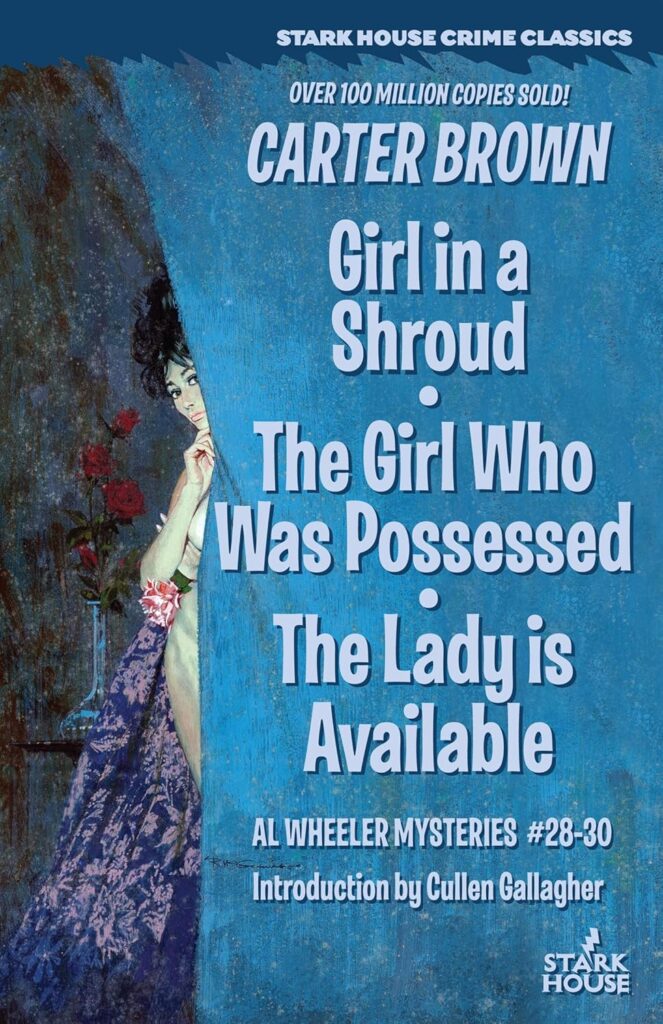
STARK HOUSE’S latest Carter Brown omnibus, GIRL IN A SHROUD/THE GIRL WHO WAS POSSESSED/THE LADY IS AVAILABLE, includes Al Wheeler mysteries #28-30 from 1963.
Girl in a Shroud opens with Lieutenant Al Wheeler and Sergeant Polnik at a mortuary where they find a sexy young woman who slept in a casket. His further investigation finds another casket with a corpse who has been shot in the head. Both the woman and the corpse are connected to the Landau Research Foundation–engaged in experiments with LSD. Wheeler flirts with the female Persons of Interest and tangles with a Nazi prison camp survivor to reveal the true motivation for the murder. GRADE: B
The Girl Who Was Possessed (aka, The Sinners) begins with Al Wheeler summoned to a sanatarium where the nude body of a woman wearing a cat mask has been found stabbed to death. Wheeler investigates the woman who was a patient claiming she was “possessed” by a witch. Satanic Masses, orgies, exotic drugs, blood sacrifices, and big money involve Wheeler in a case with plenty of weird suspects and deadly magic. GRADE: B+
The Lady is Available (aka, The Lady is Not Available) follows Wheeler as the death of an artist–who leaves a nude painting as a clue–involves adultery, two partners in an oil business where treachery is brewing, and a maid whose lasagna is alluring. Wheeler tries to outthink the genius behind the murder, but the deadly murderer triggers even more deaths. GRADE: B
This wild trio of Al Wheeler mysteries blends clever banter, twisty plots, seductive suspects, dark secrets, and provocative puzzles into thrillers with action and humor!
I’ve been a fan of Lionel Richie since his early days as co-singer with The Commodores. The members of the Commodores met as mostly freshmen at Tuskegee Institute (now Tuskegee University) in 1968, and signed with Motown in November 1972, having first caught the public eye opening for the Jackson 5 while on tour.
The Commodores had a string of hits in the 1970s like “Easy“, “Sail On“, “Three Times a Lady“, and “Still“. In 1980, Richie wrote and produced the US Billboard Hot 100 number one single “Lady” for Kenny Rogers. Shortly after that success, Richie left The Commodores to pursue a solo career.
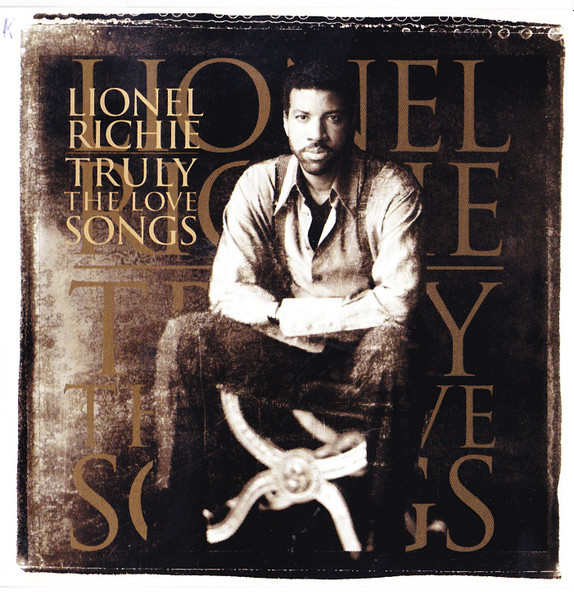
In 1981, Richie wrote and produced the single “Endless Love“, which he recorded as a duet with Diana Ross; it remains among the top 20 bestselling singles of all time, and the biggest career hit for both artists. In 1982, Richie officially launched his solo career with the album Lionel Richie, which sold over four million copies and spawned the singles “You Are“, “My Love“, and the number one single “Truly“.
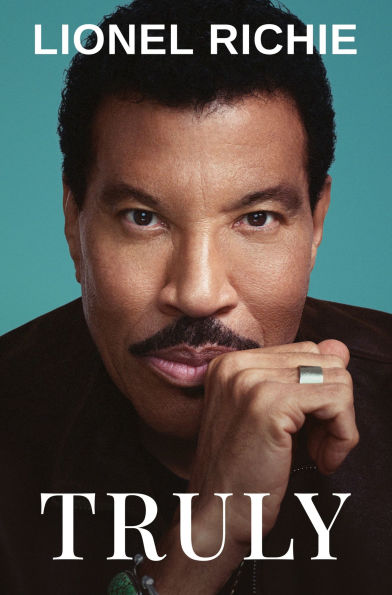
Truly (2025), Richie’s autobiography, takes the reader from his beginnings in Alabama to his rise through the music industry over the decades. Richie grew up on the campus of Tuskegee Institute. Surprisingly, Richie decided to pursue his musical career despite not knowing how to read or write music.
Richie’s work with The Commodores prepared him for what would be a successful career. His 1983 album, Can’t Slow Down, sold over twice as many copies as his 1982 debut solo album–8 million copies–Lionel Richie, and won two Grammy Awards, including Album of the Year. That propelled Richie into the first rank of international music superstars.
My favorite Lionel Richie song is his 1981 hit, “Oh No.” Richie writes and sings about unrequited love in a fashion that really moves me. Are you a Lionel Richie fan? Do you have a favorite Lionel Richie song? GRADE: A (for both the book and the CD)