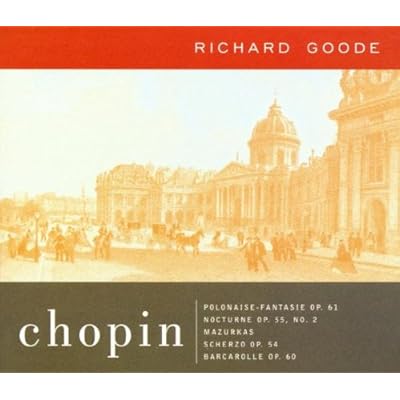
Diane and I attended a wonderful piano recital at SUNY at Buffalo where Richard Goode performed before a Standing Room Only crowd. This recital was a partnership between the SUNY at Buffalo Music Department and the Ramssi P. Tick Concert Series. I’m a big fan of Richard Goode. I have most of his CDs. This is the third time I’ve seen him perform. Goode is a no-nonsense guy. He sits down, performs, takes a bow, and leaves. No inane patter. No “explaining” the music he’s about to play. Goode is all about playing the music. I was hoping Goode would play some Mozart (I play Goode’s Mozart CDs on a regular basis), but No Such Luck. Goode opened the recital with Schumann and Brahms. The whole second half of the recital was Chopin. I enjoyed the second half better than the first. GRADE: A-
PROGRAM:
Kinderszenen, Op. 15 Scenes from Childhood/1. Von fremden Ländern und Menschen ROBERT SCHUMANN
Kinderszenen, Op. 15 Scenes from Childhood/2. Kuriose Geschichte
Kinderszenen, Op. 15 Scenes from Childhood/3. Hasche-Mann
Kinderszenen, Op. 15 Scenes from Childhood/4. Bittendes Kind
Kinderszenen, Op. 15 Scenes from Childhood/5. Glückes genug
Kinderszenen, Op. 15 Scenes from Childhood/6. Wichtige Begebenheit
Kinderszenen, Op. 15 Scenes from Childhood/7. Träumerei
Kinderszenen, Op. 15 Scenes from Childhood/8. Am Kamin
Kinderszenen, Op. 15 Scenes from Childhood/9. Ritter vom Steckenpferd
Kinderszenen, Op. 15 Scenes from Childhood/10. Fast zu ernst
Kinderszenen, Op. 15 Scenes from Childhood/11. Fürchtenmachen
Kinderszenen, Op. 15 Scenes from Childhood/12. Kind im Einschlummern
Kinderszenen, Op. 15 Scenes from Childhood/13. Der Dichter spricht
Seven Fantasies, Op. 116; No. 1: Capriccio in D minor JOHANNES BRAHMS
Seven Fantasies, Op. 116; No. 2: Intermezzo in A minor
Seven Fantasies, Op. 116; No. 3: Capriccio in G minor
Seven Fantasies, Op. 116; No. 4: Intermezzo in E major
Seven Fantasies, Op. 116; No. 5: Intermezzo in E minor
Seven Fantasies, Op. 116; No. 6: Intermezzo in E major
Seven Fantasies, Op. 116; No. 7: Capriccio in D minor
Intermission
Nocturne for piano No. 16 in E flat major, Op. 55/2, CT. 123 FREDERIC CHOPIN
Mazurka for piano No. 7 in F minor, Op. 7/3, CT. 58
Mazurka for piano No. 29 in A flat major, Op. 41/4, CT. 79
Mazurka for piano No. 11 in E minor, Op. 17/2, CT. 61
Mazurka for piano No. 10 in B flat major, Op. 17/1, CT. 60
Mazurka for piano No. 13 in A minor, Op. 17/4, CT. 63
Scherzo for piano No. 4 in E major, Op. 54, CT. 200



 Child 44 is the most claustrophobic novel I’ve ever read. It’s set in the Soviet Union in the early 1950s. Secret Police Officer Leo Demidov, former WWII hero, finds his world turned upside down when he tries to investigate a series of murders. The Soviet bureaucracy discourages Leo’s investigation arguing that Soviet life doesn’t have any crime only political transgressions. The stifling webs of corruption and political treachery make Child 44 a very paranoid read. Tom Rob Smith captures the desperation, fear, and cruel looniness of the Soviet state. And, I can’t think of a more beset hero of any novel. Smith piles difficulties on Leo that even Job couldn’t handle! GRADE: B+
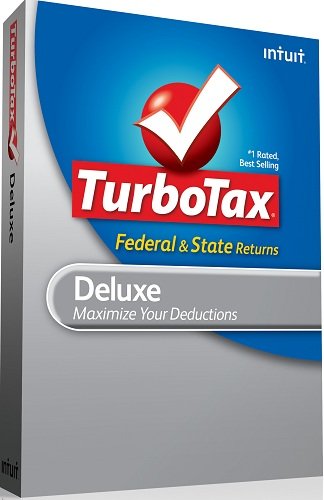 It’s tax season and as I have done for over a dozen years, I bought a copy of TURBOTAX DELUXE at Sam’s Club for $39.98. This edition has Federal and New York State returns plus Federal E-File. We don’t have a complicated return. The biggest chore is entering all the charitable contributions we make to Public Radio and TV, various health charities, arts institutions, colleges, etc. It took me about a half hour to enter all the data and TURBOTAX told us we owed the Feds about $2000, but we were getting a $1000 refund from New York State. I like to break even, but this is close enough. If you’ve never used TURBOTAX, I highly recommend it. This edition walks you right through the process. Nothing could be simpler. Just make sure you have all your tax information handy and you can finish this chore in record time at minimal expense. GRADE: A
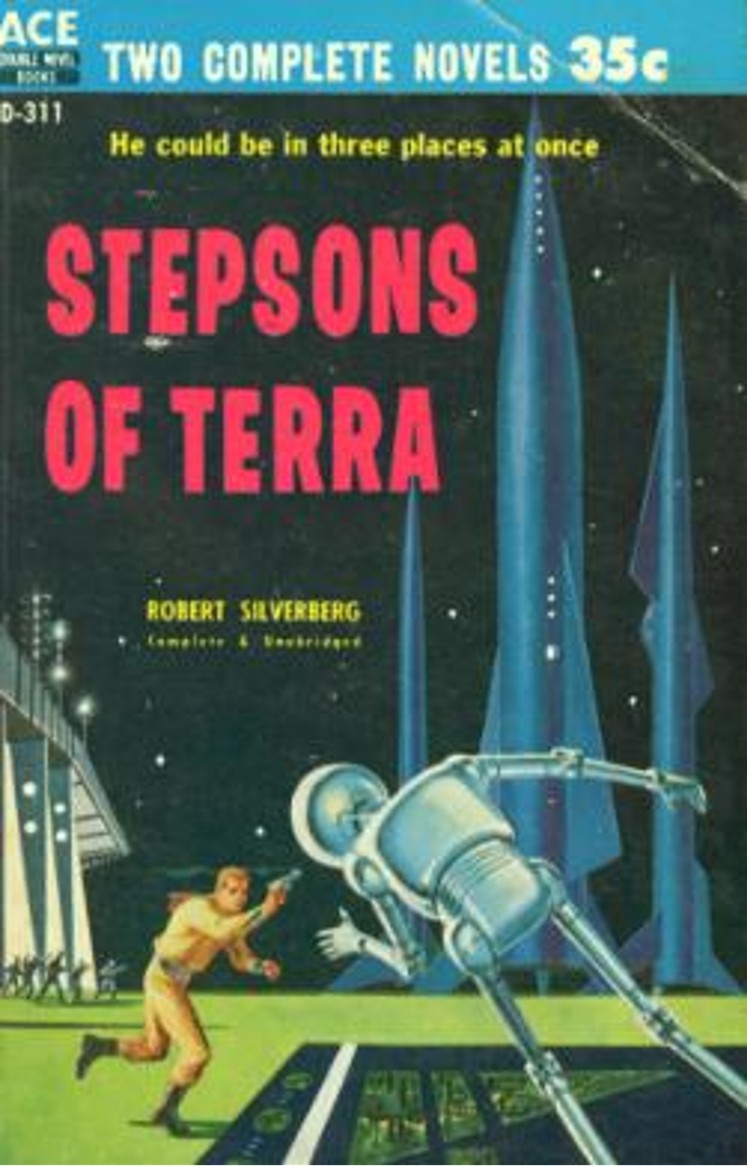
 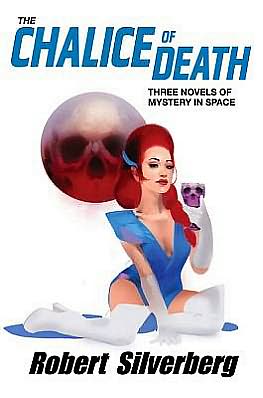 The Chalice of Death: Three Novels of Mystery in Space is the third omnibus collection from Planet Stories. All three novels in this collection were published as halves of ACE Doubles. The Chalice of Death was first published as Lest We Forget Thee, Earth under the psuedonym “Calvin M. Knox.” Shadow on the Stars was originally published as Stepsons of Terra. Starhaven was published under the pseudonym of “Ivar Jorgenson.” I’ve enjoyed the two previous omnibus collections, Hunt the Space-Witch! and The Planet Killers. If you’re a friend of fan of Robert Silverberg, you’ll find these long unavailable novels fun reading.