Tyler Cowen proposed a meme where those interested would list the 10 most influential books of their lives. Cowen suggested “going with your gut” in making the list instead of doing a lot of pondering. So, off the top of my head, here we go:
1. The Wealth and Poverty of Nations by David S. Landes. One of the most brilliant books I’ve ever read. It updates Adam Smith’s classic and explains how the world works.
2. Tales of the Dying Earth by Jack Vance. This the greatest SF masterpiece I’ve ever read.
3. The Demon Princes by Jack Vance. I’m cheating here because The Demon Princes consists of five novels. Sue me. These are marvelous science fantasy adventures!
4. Partial Payments: Essays on Writers and Their Lives by Joseph Epstein. I could have picked any of Epstein’s wonderful essay collections (I’ve read and own them all). I wish I could write like this.
5. Major Works by Samuel Johnson. This is another cheat because the Oxford University Press edition is 880 pages long. I could make an argument that Johnson was one of the best writers of English ever.
6. The Way We Live Now by Anthony Trollope. My favorite Trollope novel is Barchester Towers, but The Way We Live Now is probably Trollope’s best book.
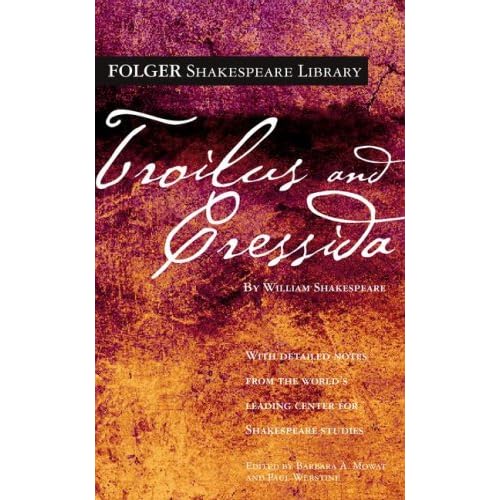 7. Troilus and Cressida is my favorite play by Shakespeare. Love and war battle in this tricky tale of the Battle of Troy. It’s clever, cunning, and has a sting at its end.
8. A Deadly Shade of Gold by John D. MacDonald. This is my favorite JDM novel. Travis McGee and a twisted plot. What more could you ask for?
9. 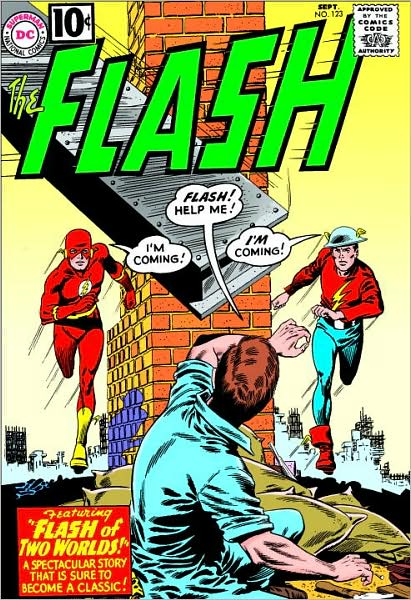 I grew up reading comic books and THE FLASH was my favorite. Yes, I read BATMAN and GREEN LANTERN, too, but THE FLASH gave me that first feeling of a Sense of Wonder.
10. The Story of O by Pauline Reage. Rocked my world.
If I had to list 10 influential books next week, I’m sure the list would be different.
 This “re-imagining” of Alice in Wonderland has its moments, but for a Tim Burton film, it’s a little tame. Alice (Mia Wasikowska) falls down a hole into Wonderland. Johnny Depp is the Mad Hatter, but this performance is subdued for him. Helena Bonham Carter plays the Red Queen with the most energy of any of the cast members. Anne Hathaway’s White Queen is fairly bland. The whole adventure turns into a dragon-slaying exercise. Multiple hints suggest there might be a sequel. GRADE: B
 Anniversary concert recordings are usually a mixed bag. This Rounder Records 40th Anniversary Concert CD is no different. I liked Alison Krauss & Union Station’s songs. Irma Thomas, soul singer, rocks the house. Two of my favorite female singers, Mary Chapin Carpenter and Madeleine Peyroux perform admirably. I could have done without Steve Martin. And Nathan & The Zydeco Cha Chas. But, that’s a matter of taste. There’s plenty of very good music on this CD, a few clunkers, and an enthusiastic audience. The video of this concert will be airing on PBS next month and the DVD will be available in early May. GRADE: B
 Chelsea Girl was German model, actress, and singer Nico’s debut album in 1967. After recording with The Velvet Underground and appearing in Andy Warhol’s movie, Chelsea Girls, Nico produced this solo album. Nico’s voice sounds like it’s coming from a crypt. John Cale, leader of The Velvet Underground, said Nico was “tone-deaf.” But Nico managed to charm her way into a creative vortex: Bob Dylan wrote a song for her album (“I’ll Keep It With Mine”) as did 17-year old Jackson Brown (“These Days”). At that time in my life, women who looked like Nico and Marianne Faithfull, with their long straight hair and sultry eyes, were irresistible to me. For more on Nico, her music, and her sad ending listen to Ed Ward’s insightful commentary
  Richard Bausch writes about relationships with rare insight in these short stories. For example, in “Sixty-five Million Years” a Catholic priest is confronted by a teenage boy who doubts the Bible because of the existence of dinosaurs. And the young boy’s doubt creeps into the old priest’s psyche and destabilizes his world. Desperation mixes with passion in “Reverend Thornhill’s Wife” when a preacher’s wife has an affair with a married man she meets on the Internet. Both participants are trapped in sterile marriages and this affair centers on the desperation of two very unhappy people. The title story, “Something Is Out There,” revolves around a family learning that family members are involved in the illegal drug trade. And, during a wild snowstorm, hired killers may be lurking outside the house they’re trapped in. Most of Bausch’s stories end jarringly. If you’re looking for an engagingly contemporary short story collection, give Something Is Out There a try. GRADE: B+
 Justified premiered last week on FX. This cable series is based on Elmore Leonard’s character, U. S. Marshall Raylan Givens, who appeared in Leonard’s novels Pronto and Ride the Rap and a short story, “Fire in the Hole.” After a messy shootout in Miami, Givens is reassigned (for political reasons) to his home state of Kentucky. In his first case, Givens has to deal with an old acquaintance, Boyd Crowder (played with convincing menace by Walton Goggins), who leads a White Supremest cult. Timothy Olyphant plays Givens with the right mix of cool and brutality. The hallmark of Elmore Leonard’s work is causal violence. There’s a scene in Jackie Brown that still haunts me. I don’t watch much TV (although now with the new HDTV I’m spending more time surfing the HD channels) but I’ll be watching Justified on FX Tuesday nights. GRADE: B+ (so far)
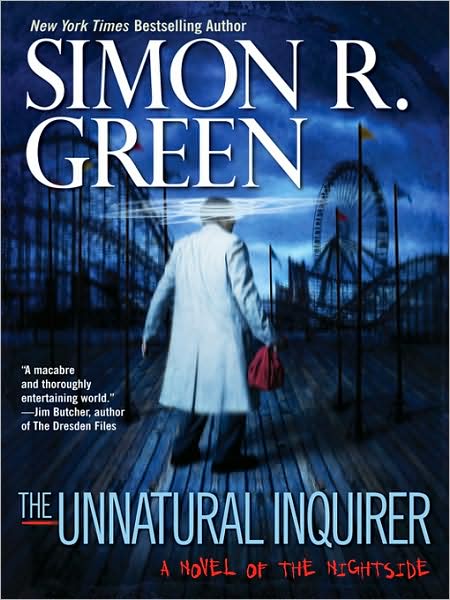 The genre of “urban fantasy” is an acquired taste. Jim Butcher’s The Dresden Files series falls into this catagory as does Simon R. Green’s Nightside series featuring a private eye named John Taylor who has the power to find anyone. Nightside is mystical site in London where the paranormal and the supernatural mix. In this adventure, the editor of Nightside’s The Unnatural Inquirer offers Taylor a million pounds to find a missing person who has a mysterious connection to the Afterlife. If you like macabre fiction and dark humor, you’ll find Simon R. Green’s Nightside series worth looking into.