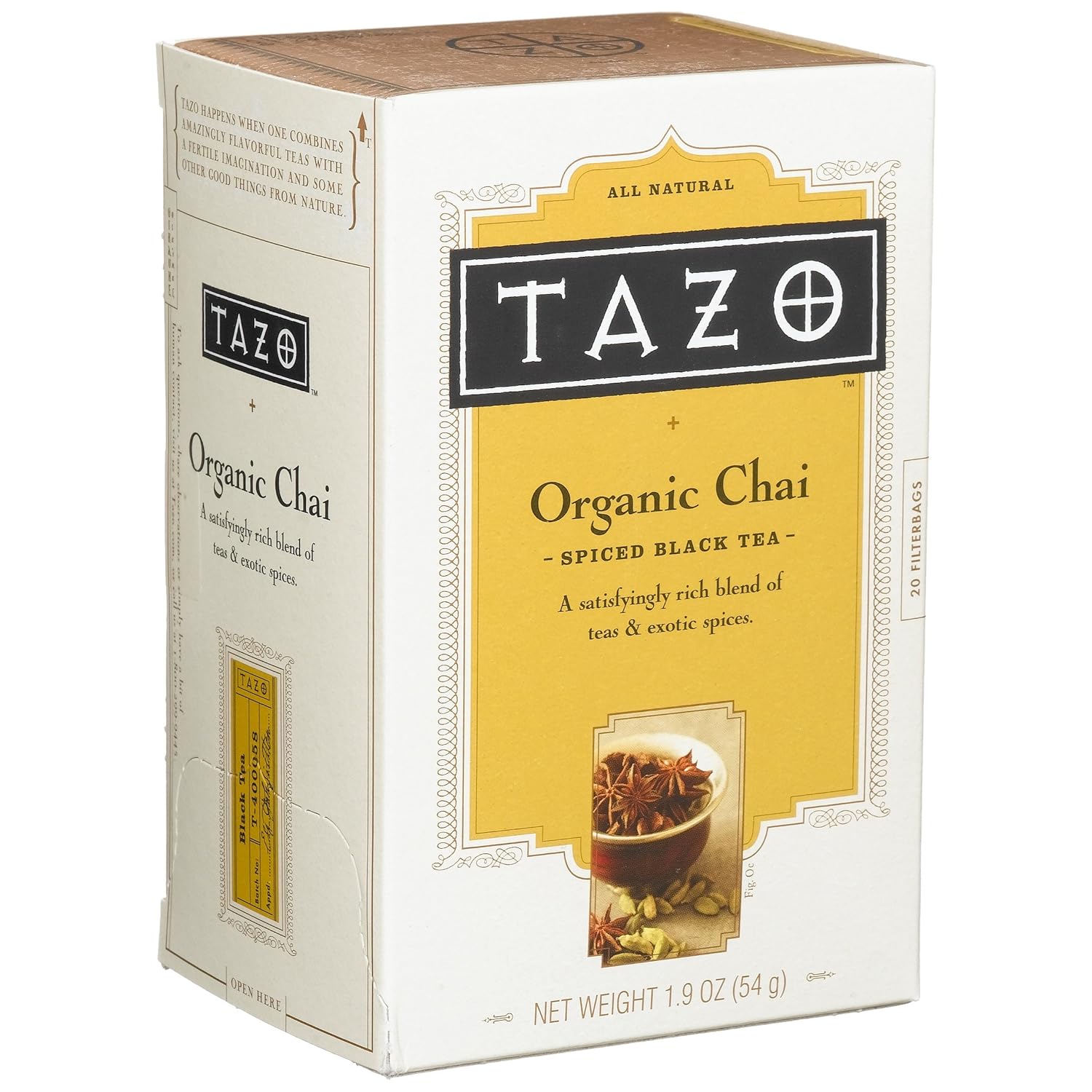
For you French speakers out there, you know “The Noir” (with an accent over the “e” in “The”) translates to “black tea.” Mostly, I drink about 10 cups of black coffee per day, but occasionally I like to change things up and drink tea. I tried Tazo’s Organic Chai and loved it. And, I liked reading “The Noir” on each packet of Organic Chai. In each packet there’s a blend of rich black tea, sweet cinnamon, zingy ginger, spicy star anise, cloves, and warm cardamom. Yum! If you prefer bland black tea, stay away from this potent brew. But, if you want a party for your taste buds, give Tazo’s Organic Chai a try.
THE NOIR: TAZO ORGANIC CHAI
6 Replies
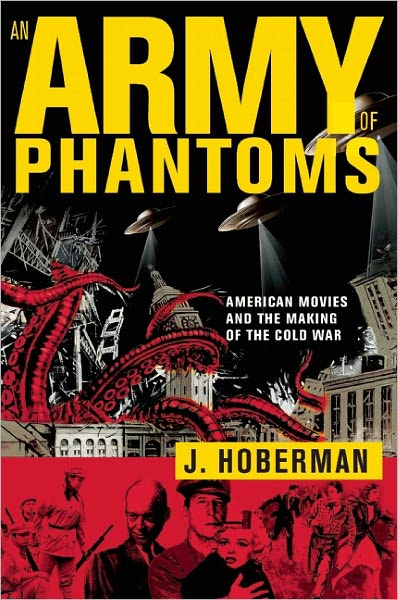 You might not consider High Noon a Cold War movie, but you will after you read J. Hoberman’s fascinating book, An Army of Phantoms: American Movies and The Making of the Cold War. Village Voice film critic Hoberman analyzes the movies he considers a part of the Cold War media machine: cavalry Westerns, apocalyptic sci-fi flicks, and biblical spectaculars. Hoberman covers witch hunts, House Committee on Un-American Activities tactics and humiliations, the resulting blacklist, message movies, propaganda, and more. An Army of Phantoms also includes the best treatment of The Invasion of the Body Snatchers that I’ve ever read. This is part of a three-book film history of the Cold War. In 2003, Hoberman published The Dream Life: Movies, Media, and the Mythology of the Sixties. A third volume about Ronald Reagan and the Eighties is forthcoming. I can’t wait for the next volume! GRADE: A
 Jane Eyre in Director Cary Fukunaga’s interpretation is a story of a woman who discovers the secret of her employer. Mia Wasikowska (Alice in Wonderland) and Michael Fassbender (Inglourious Basterds) make this romantic drama based on Charlotte Brontë’s classic novel come to life. Jane Eyre, an orphan, finds work at Thornfield House, where she works as a governess for wealthy Edward Rochester. But, Jane senses that dark secrets are being kept. For my money, this is the most engaging version of Jane Eyre I’ve seen. Of the roughly 17 movies made of Jane Eyre, this production captures the essence of Jane’s complicated character the best. GRADE: A