
HAPPY 4TH OF JULY 2017!
15 Replies
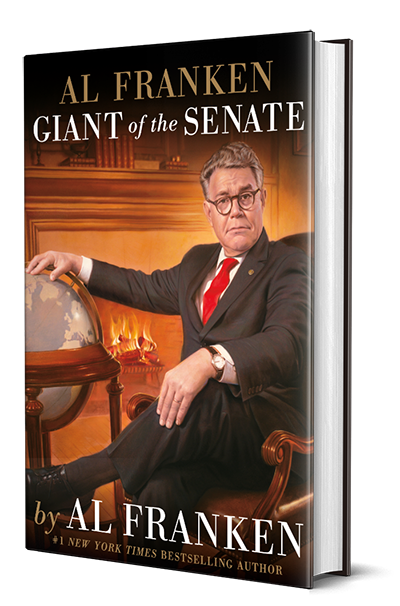
I read Al Franken, Giant of the Senate chiefly for the chapter on Ted Cruz. Everyone in the Senate hates Ted Cruz, but Franken is less hateful than most. I was never a big Al Franken fan when he performed on SATURDAY NIGHT LIVE. And, I was surprised as most people were when Franken won his Senate seat in Minnesota. Yet, the cliche that people grow into the job happens to be apt in the case of Al Franken in the Senate. Recently, he asked Jeff Sessions during his hearing about Sessions’s involvement with Russians. Of course, Sessions lied under oath. But it was a key moment in what could be the unraveling of the Trump Administration. If you’re looking for a breezy political biography, I recommend Al Franken, Giant of the Senate. It has humor, wit, and a lot of insight into life in the U.S. Senate. GRADE: B+
TABLE OF CONTENTS:
Foreword
1 Why I’m a Democrat 5 (5)
2 How I Became a Comedian 10 (11)
3 Saturday Night Live (Not the Drug Part) 21 (9)
4 Saturday Night Live (The Drug Part) 30 (9)
5 Saturday Night Live (The Part Where I Leave) 39 (7)
6 Paul 46 (5)
7 A 99 Percent Improvement 51 (12)
8 Year of the Bean Feed 63 (12)
9 The DeHumorizer™ 75 (11)
10 I Attempt to Litigate Comedy 86 (5)
11 Hermann the German and the Pull-Out Couch 91 (7)
12 No Joke 98 (2)
13 Harry and Chuck 100 (9)
14 Icarus Soars 109 (5)
15 Twixt Cup and Lip 114 (5)
16 Public Opprobrium 119 (17)
17 My First Powwow 136 (9)
18 Tax-Dodging, Rape-Joking Pornographer for Senate 145 (7)
19 Franni Saves the Campaign 152 (8)
20 “Has It Gotten That Bad?!” 160 (8)
21 “It’s Close, It’s Very Close” 168 (4)
22 The Recount 172 (10)
23 Welcome to the NFL 182 (4)
24 I Actually Become a Senator 186 (4)
25 My First Big Win* 190 (6)
26 What Gets Me out of Bed in the Morning 196 (3)
27 The Case of Perry Mason’s Lost Case 199 (4)
28 The Angel and the Devil 203 (9)
29 Never Give the Staff Credit 212 (7)
30 Letting My Id Run Amok 219 (10)
31 I Screw Up 229 (6)
32 Operation Curdle 235 (12)
33 Health Care: Now What? 247 (20)
34 I Meet George W. Bush 267 (4)
35 The 64 Percent Rule 271 (12)
36 My Republican Friends 283 (10)
37 Sophistry 293 (15)
38 Bulletproof 308 (6)
39 Cracks in My Soul 314 (15)
40 The Koch Brothers Hate Your Grandchildren 329 (6)
41 No Whining on the Yacht 335 (9)
42 I Win Awards 344 (5)
43 We Build a DeHumorizer™ 349 (10)
44 I Get Reelected 359 (8)
45 Lies and the Lying Liar Who Got Himself Elected President 367 (9)
46 I Attend a Presidential Inauguration 376 (10)
47 Being as Good as the People We Serve 386 (7)
Acknowledgments 393 (4)
Index 397
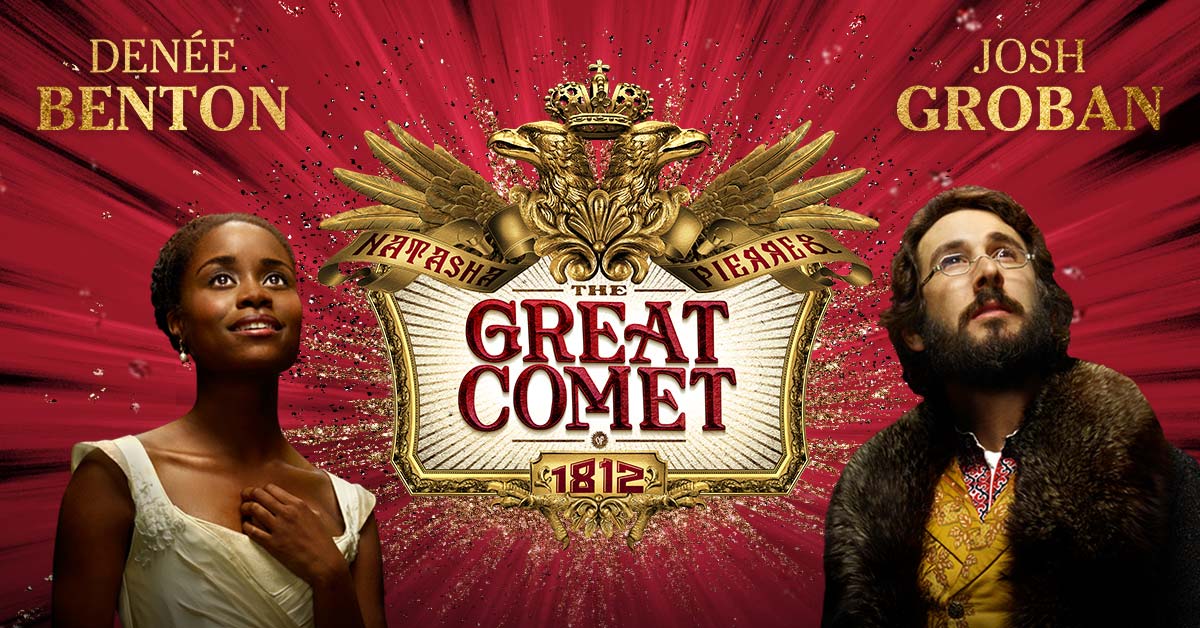

I read War & Peace to prepare for Natasha, Pierre, and the Great Comet of 1812. The action of the play involves about 70 pages of the 1,400-page book. But which pages? Actually, the portion of War & Peace covered by this play starts around page 1,012. Natasha (played by Denée Benton) is young and impetuous. Pierre drinks too much and has a scholarly air (well played by Josh Groban). Pierre is married to Helene (Amber Gray), a party girl. The action of the play revolves around the romantic elements of the characters. Much of the time, singers and dancers run up and down the aisles so there’s plenty of action to follow. Half the audience sits on stage (we chose not to) while the actors sometimes interacted with the audience members. The music, mostly Russian, pounds you with its intensity. My only quibble is that if i was the producer or director of Natasha, Pierre, and the Great Comet of 1812, I wouldn’t have Josh Groban sitting in the on-stage orchestra pit for most of the first half of the play. GRADE: B
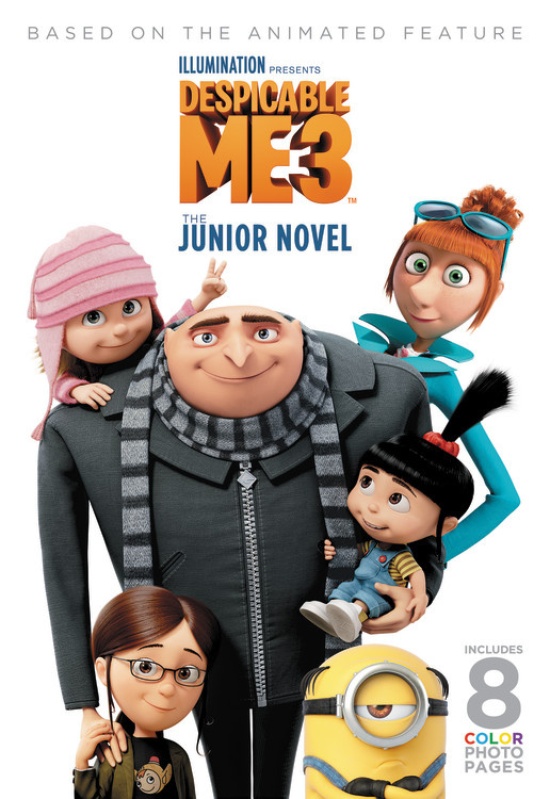
Despicable Me 3 follows the template of the previous two hit animated movies. In this latest installment, reformed villain Gru discovers he has a twin brother, Dru (both voiced by Steve Carell). The villain the twins need to bring down is a wacky 1980s former child star, Balthazar Bratt (voiced by SOUTH PARK creator Trey Parker). If you’re in mood for a silly Summer movie, Despicable Me 3 fits the bill. Sadly, the Minions don’t have much to do. GRADE: B
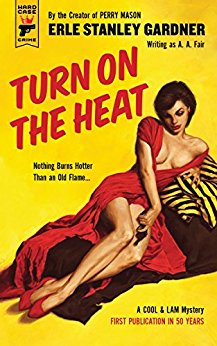
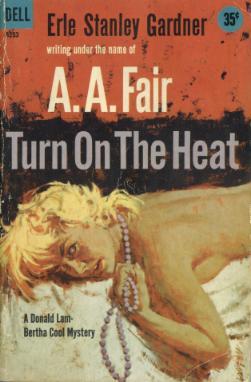

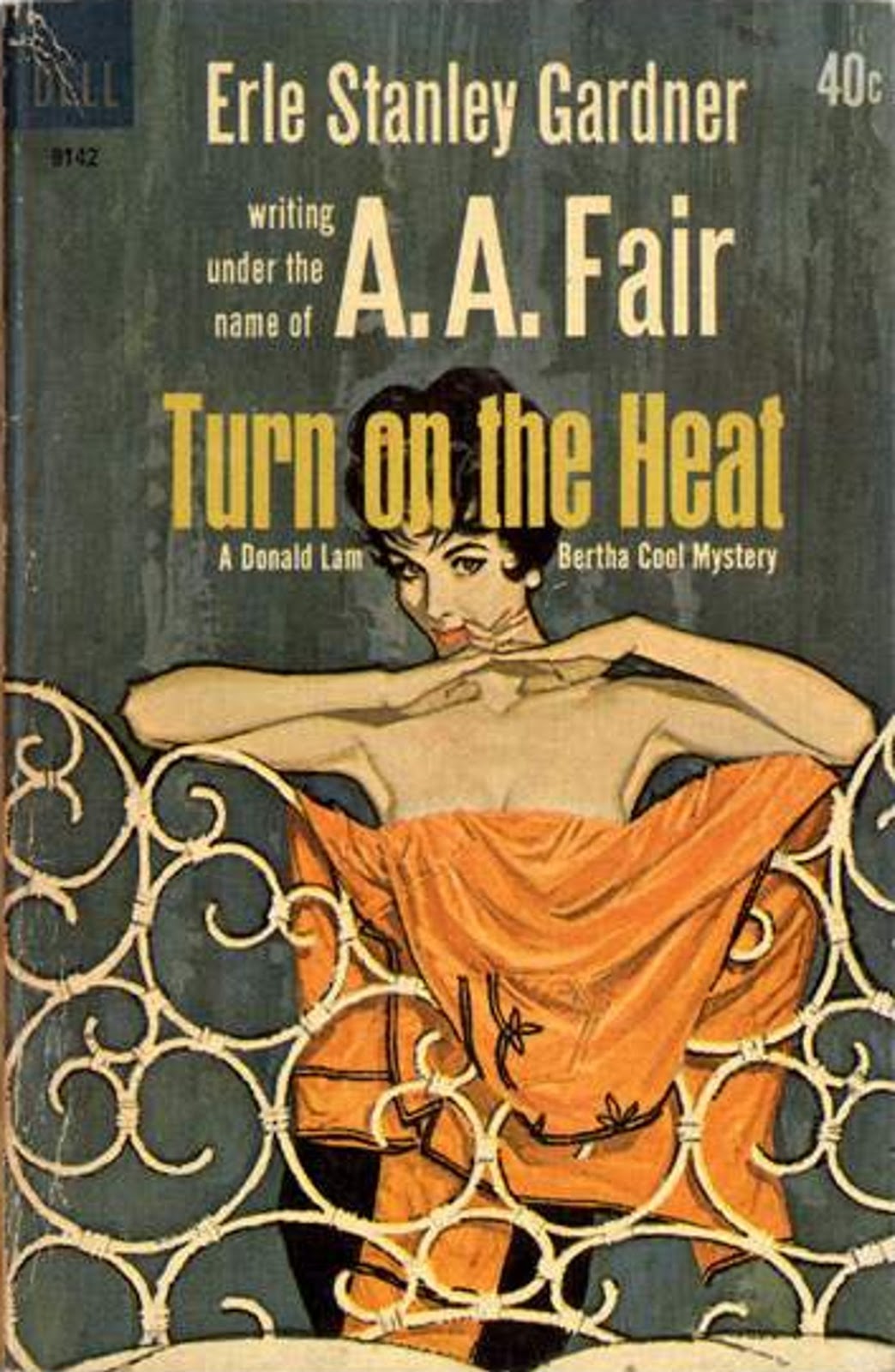
Hard Case Crime is reprinting Erle Stanley Gardner’s Turn On the Heat first published in 1940. Turn On the Heat, the second book in the Donald Lam/Bertha Cool series, features Donald Lam searching for a woman who has been missing for 21 years. I’m a fan of the early Lam/Cool books. Hard Case Crime has also published the “missing” Lam/Cool mystery, The Knife Slipped. You can read my review of The Knife Slipped here. It’s great to have these Hard Case Crime editions available. The writing is crisp and the plots are delightfully twisty!
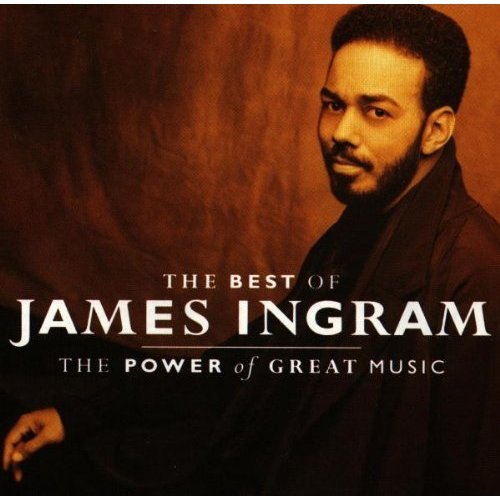
Back in the 1980s, James Ingram was one of the hottest singers in the pop field. Ingram sang hit after hit for years. He is a two-time Grammy Award-winner and a two-time Academy Award nominee for Best Original Song. Ingram had two Number One hits: “I Don’t Have the Heart” and “Baby, Come to Me” (a duet with Patti Austin). “Somewhere Out There,” Ingram’s duet with Linda Ronstadt, was the theme song for the animated movie, An American Tail, and was Ingram’s best selling hit. What’s your favorite James Ingram song? GRADE: A
TRACK LIST:
1 – Where Did My Heart Go? 3:59 (End Title Song from City Slickers)
Arranged By, Arranged By [Strings, Horns], Conductor, Keyboards – Thom Bell
Bass – Marcus Miller
Drums – Charles Collins
Engineer [Assistant] – Mark Gulbeault*
Guitar – Carlos Rios (2)
Mixed By – Clark Germain
Producer – James Ingram, Thom Bell
Programmed By [Keyboards] – Wayne Linsey
Recorded By – Clark Germain
Synthesizer – George Merrill
Timpani – Edward Shea*
Written-By – Marc Shaiman
2 – How Do You Keep The Music Playing? (Duet With Patti Austin) 4:16 (Theme from Best Friends)
Arranged By – David Foster, Johnny Mandel, Quincy Jones
Bass – Nathan East
Co-producer – Johnny Mandel
Drums – Leon Ndugu Chancler
Guitar – George Doering, Paul Jackson, Jr.*
Mixed By – Joel Moss
Piano [Acoustic] – David Foster
Producer – Quincy Jones
Programmed By [Synthesizer] – Steve Porcaro
Recorded By – Joel Moss
Synthesizer – David Paich
Written-By – Alan Bergman, Marilyn Bergman, Michel LeGrand
3 – Just Once 4:32
Arranged By [Horns] – Jerry Hey
Arranged By [Rhythm, Vocals] – Quincy Jones
Arranged By [Strings, Synthesizer] – Johnny Mandel
Backing Vocals – Patti Austin
Bass – Abraham Laboriel
Concertmaster – Gerald Vinci
Drums – John Robinson (2)
Electric Piano, Piano [Acoustic] – David Foster
Engineer [Assistant] – Ed “Big Julie” Cherney*
Guitar – Steve Lukather
Mixed By – Bruce Swedien
Percussion – Paulinho Da Costa
Piano [Acoustic], Synthesizer [String] – Robbie Buchanan
Producer – Quincy Jones
Programmed By [Synthesizer], Synthesizer – Ian Underwood
Recorded By – Bruce Swedien
Saxophone, Flute – Ernie Watts, Kim Hutchcroft
Synthesizer – Greg Phillinganes
Trombone – Bill Reichenbach (2)
Trumpet – Chuck Findley, Jerry Hey
Written-By – Barry Mann, Cynthia Weil
4 – Somewhere Out There (Duet With Linda Ronstadt) 3:59 (Theme from An American Tail)
Arranged By, Guitar – Bob Mann
Bass – Leland Sklar
Drums – Russell Kunkel*
Lyrics By – Cynthia Weil
Mixed By – George Massenburg
Music By – Barry Mann, James Horner
Producer – Peter Asher
Producer [Associate] – Steve Tyrell
Programmed By, Keyboards – David Kitay, Guy Moon, C. Wells Christie*
Recorded By – Allen Sides
5 – I Don’t Have The Heart 4:13
Arranged By, Arranged By [Horns, Strings], Bass, Conductor – Thom Bell
Arranged By, Keyboards, Programmed By [Keyboards] – Jud Friedman
Backing Vocals – The Aquarian Singers
Drums – Ricky Lawson
Engineer [Assistant] – Paul Ericksen
Guitar – Paul Jackson*
Mixed By – Winston Johnson
Producer – James Ingram, Thom Bell
Recorded By – Winston Johnson
Written-By – Allan Rich, Jud Friedman
6 – There’s No Easy Way 3:51
Arranged By – David Paich, Quincy Jones
Bass – Abraham Laboriel
Drums – John Robinson (2)
Engineer [Assistant] – Greg Laney, Mark Ettle*, Ric Butz, Steve Bates
Mixed By – Bruce Swedien
Producer – Quincy Jones
Programmed By [Synthesizer] – Steve Porcaro
Recorded By – Bruce Swedien
Synthesizer – David Paich
Written-By – Barry Mann
7 – Get Ready 4:29
Arranged By, Backing Vocals, Keyboards – James Ingram
Arranged By, Keyboards, Programmed By – Barry Mann
Backing Vocals – Kevin Guillaume, Ralph Hawkins*
Engineer [Assistant] – Leon Granados
Lyrics By – Cynthia Weil
Mixed By – Chris Hufford
Music By – Barry Mann, James Ingram
Producer – Barry Mann, James Ingram
Recorded By – Chris Hufford
Saxophone [Solo] – Michael Paulo
8 – Baby, Come To Me (Duet With Patti Austin)3:30 (Love Theme for General Hospital)
Arranged By [Vocal, Rhythm, Synthesizers], Synthesizer, Written-By – Rod Temperton
Backing Vocals – James Ingram, Patti Austin
Bass – Eddie Watkins, Jr.*
Drums – John Robinson (2)
Engineer [Assistant] – Brian Reeves, Ed “Big Julie” Cherney*, Matt Forger
Guitar – Steve Lukather
Keyboards, Synthesizer – Greg Phillinganes
Mixed By – Bruce Swedien
Percussion – Paulinho Da Costa
Producer – Quincy Jones
Recorded By – Bruce Swedien
Synthesizer – David Foster, Michael Boddicker
9 – One Hundred Ways 4:19
Arranged By [Horns, Strings] – Jerry Hey
Arranged By [Synthesizer] – Johnny Mandel
Arranged By [Vocals] – Quincy Jones
Bass – Louis Johnson
Drums – John Robinson (2)
Electric Piano, Soloist [Synthesizer] – Greg Phillinganes
Engineer [Assistant] – Ed “Big Julie” Cherney*
Flute, Saxophone – Kim Hutchcroft
Flute, Saxophone, Soloist [Tenor Sax] – Ernie Watts
Guitar – Steve Lukather
Mixed By – Bruce Swedien
Producer – Quincy Jones
Recorded By – Bruce Swedien
Synthesizer, Programmed By [Synthesizer] – Ian Underwood
Trombone – Bill Reichenbach (2)
Trumpet – Chuck Findley, Jerry Hey
Written-By – Ben Wright*, Kathy Wakefield, Tony Coleman
10 – Ya Mo Be There (Duet With Michael McDonald) 4:02
Arranged By, Synthesizer – James Ingram, Michael McDonald, Rod Temperton
Arranged By, Voice [African] – Quincy Jones
Drums – John Robinson (2)
Engineer [Assistant] – Greg Laney, Mark Ettle*, Ric Butz, Steve Bates
Mixed By – Bruce Swedien
Percussion – Paulinho Da Costa
Producer – Quincy Jones
Recorded By – Bruce Swedien
Synthesizer – Michael Boddicker
Written-By – James Ingram, Michael McDonald, Quincy Jones, Rod Temperton
11 – Remember The Dream 4:22
Arranged By – Joe Sample, Stephanie Tyrell
Arranged By [Background Vocal] – Andrae Crouch*, Sandra Crouch, Steve Tyrell
Backing Vocals – Alfie Gilas*, Andrae Crouch*, Geary Faggett, Howard McCrary, Jackie Farris, Howard Pattie*, Perry Morgan, Rose Banks, Sandra Crouch, Tata Vega, Vonciele Faggett*
Bass – Freddie Washington
Drums – John Robinson (2)
Guitar – Bob Mann, Ray Parker Jr.
Mixed By – David Schober
Organ – Michael Finnigan*
Other [Production Co-ordinator] – Mark Heyes
Piano [Acoustic], Synthesizer [Moog Bass] – Joe Sample
Producer – Steve Tyrell
Programmed By [Synthesizer] – Guy Moon
Recorded By – David Hines, David Schober
Saxophone – Wilton Felder
Tambourine – Sandra Crouch
Written-By – Joe Sample, Stephanie Tyrell, Steve Tyrell
12 – Whatever We Imagine 3:58
Arranged By – David Foster, Jerry Hey
Drums – John Robinson (2)
Engineer [Assistant] – Greg Laney, Mark Ettel, Ric Butz, Steve Bates
Keyboards, Synthesizer – David Foster
Lyricon – Tom Scott
Mixed By – Bruce Swedien
Percussion – Paulinho Da Costa
Producer – Quincy Jones
Programmed By [Synthesizer] – Craig Hunley*, Ian Underwood
Recorded By – Bruce Swedien
Written-By – David Foster, Jeremy Lubbock, Paul Gordon (3)
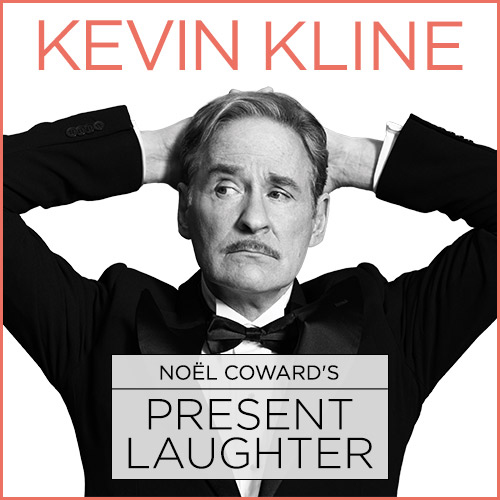
One of the highlights of our visit to New York City was seeing Keven Kline in one of my favorite Noel Coward plays, Present Laughter. Set in 1939, Keven Kline plays an aging comedy actor. His life is a three-ring circus of humor. His secretary, Monica (Kristine Nielsen), the wife of his business partner, Joanna Lyppiatt (Cobie Smulders), Kline’s character’s wife, Liz Essendine (Kate Burton), and a talented cast swirl around Kline as he prepares for a trip to Africa. I’ve read Present Laughter but had never seen it performed before this. The sold-out St. James Theatre rocked with laughter as Coward’s play unleashes its wit and cleverness. Present Laughter is the best play I’ve seen in a decade. GRADE: A
If you want to listen to an entertaining audio version of Present Laughter you might want to check out the box set of Coward’s plays here.
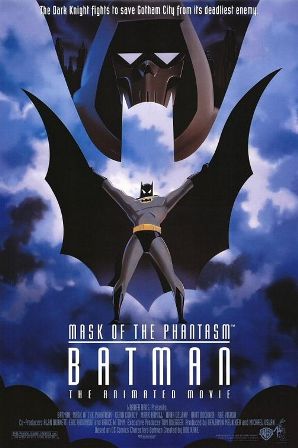
Batman: Mask of the Phantasm is an animated feature from 1993. Criminals in Gotham City are being systematically eliminated and Batman is getting the blame. But a sinister figure called The Phantasm casts a long shadow over the city. The quality of this early Batman feature holds up over time. The voices of Kevin Conroy, Mark Hamill, Dana Delany, and Abe Vigoda are first-rate. If you’re a Batman fan, you’ll enjoy this 76-minute animated adventure. GRADE: B+

I’m attracted by faux-H. P. Lovecraft stories. Jim Turner’s Eternal Lovecraft: The Persistence of H. P. Lovecraft in Popular Culture collects a wide range of Lovecraft pastiches. I liked Fritz Leiber’s “A Bit of the Dark World.” I’m a big fan of Fred Chappell’s work and “Weird Tales” is one of best stories in this volume. Other favorites are Stephen King’s “Crouch End,” Harlan Ellison’s “Sensible City,” and Richard A. Lupoff’s “The Turret.” If you’re a fan of H. P. Lovecraft, you’ll find plenty of entertainment in this Golden Gryphon Press classic from 1998.
TABLE OF CONTENTS:
The “Shadow” over Lovecraft By Jim Turner
I. Lovecraft country
Her misbegotten son / Alan Rodgers
Daoine Domhain / Peter Tremayne
To Mars and Providence / Don Webb
II. Eldritch influences
Weird tales / Fred Chappell
The land of the reflected ones / Nancy A. Collins
The shadow at the bottom of the world / Thomas Ligotti
Sensible city / Harlan Ellison
The golden keeper / Ian R. MacLeod
Ralph Wollstonecraft Hedge : A memoir / Ron Goulart
Crouch end / Stephen King
The turret / Richard A. Lupoff
The giant rat of Sumatra / Paula Volsky
Black as the pit, from pole to pole / Steven Utley and Howard Waldrop
The other dead man / Gene Wolfe
III. Cosmic realms
The events at Poroth Farm / T. E. D. Klein
The ocean and all its devices / William Browning Spencer
A bit of the dark world / Fritz Leiber
The perseids / Robert Charles Wilson.
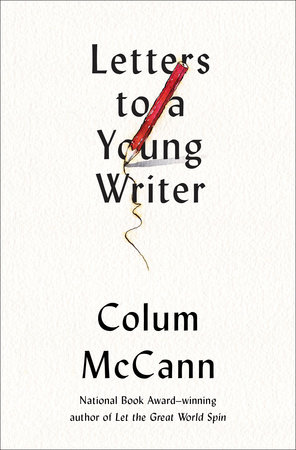
Colum McCann’s slim little book provides 52 short essays on the craft of writing. Most of the essays are only a page or two in length. This is a browser’s delight! McCann has taught writing classes for many years and provides excellent advice to anyone who wants to write and write better. McCann provides plenty of great quotes from other writers. He tells stories and entertains the reader of Letters To a Young Writer. I found Colum McCann’s new book useful and delightful. GRADE: B+